
You’ve probably heard the rule: avoid passive voice. Teachers, editors, and style guides have hammered it into you for years. But what if the passive voice isn’t the enemy you think it is? What if, in the right hands, it’s not just acceptable-it’s powerful? Enter rimming passive: not a sexual act, not a typo, but a clever linguistic trick used by sharp writers to control tone, rhythm, and focus.
Let’s clear the air right away. "Rimming passive" isn’t a term you’ll find in any grammar textbook. It’s a nickname-used informally among editors, novelists, and copywriters-for the strategic use of passive constructions that feel active, even when they’re not. It’s when you use passive voice not to hide responsibility, but to shape how the reader experiences the sentence. Think of it like a camera angle in film. Sometimes, you don’t want to show the person doing something. You want them to feel the effect.
What Is Rimming Passive, Really?
At its core, rimming passive is passive voice used with intention. Standard passive voice looks like this: "The report was written by Sarah." It’s clunky. It pushes the actor to the end. But rimming passive? It’s this: "The report landed on the CEO’s desk before noon."
Notice something? There’s no "by" clause. No agent. But the sentence doesn’t feel weak. It feels smooth. It feels like momentum. The focus isn’t on who wrote it-it’s on the consequence. That’s rimming passive. You’re not hiding the actor-you’re letting the action speak for itself.
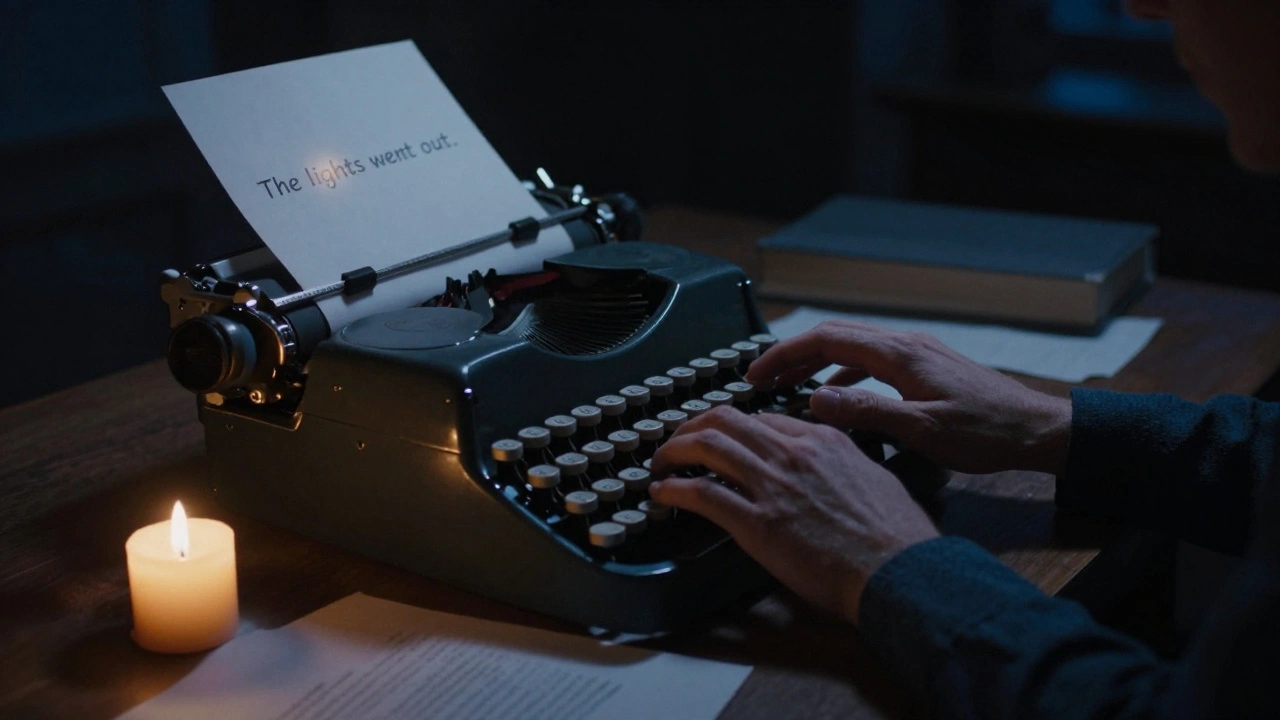
This isn’t about breaking grammar rules. It’s about bending them to serve rhythm, mood, and emphasis. When you write, "The lights went out," you’re not avoiding the fact that someone flipped the switch. You’re choosing to make the darkness the star of the scene.
Why It Matters for Modern Writers
Today’s readers aren’t scanning for perfect grammar. They’re scanning for feeling. They want pace. They want texture. They want sentences that don’t shout but still grab them by the collar.
Take this example from a bestselling thriller:
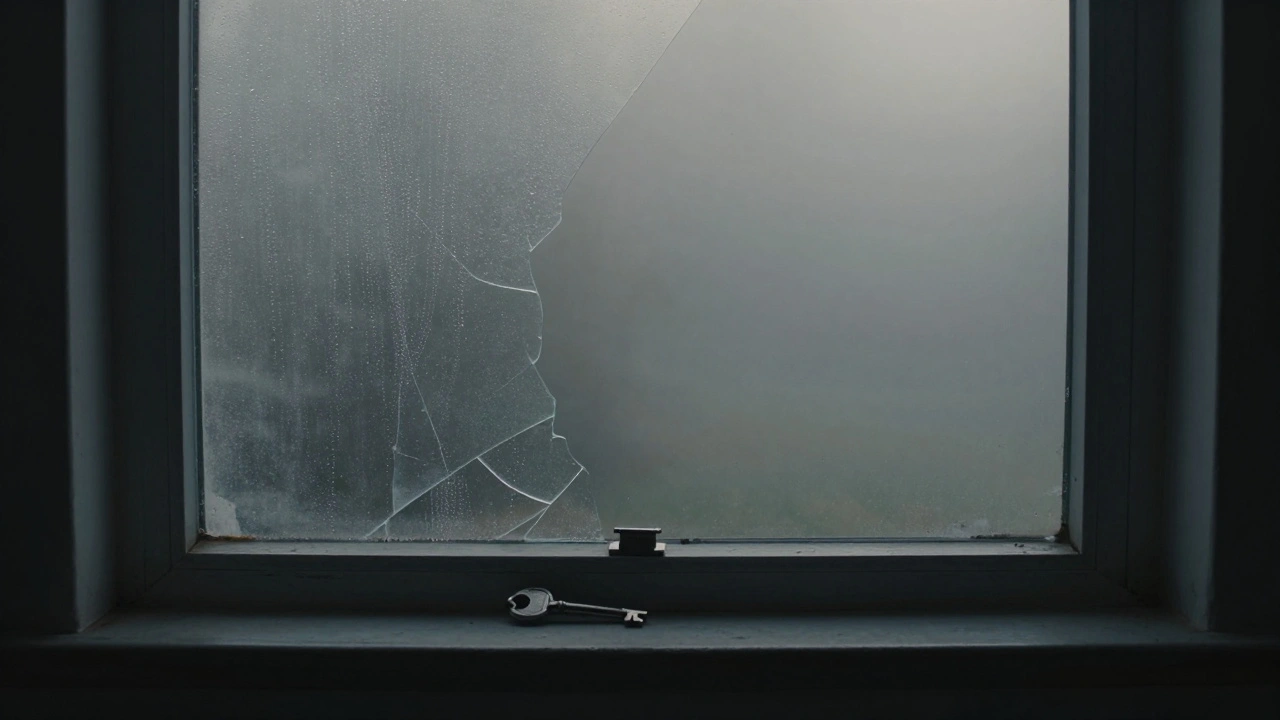
"The door hadn’t been locked. The key was gone. No signs of struggle."Notice anything? No one did anything. No one "unlocked" the door. No one "took" the key. But the tension? It’s thick. That’s rimming passive at work. The absence of actors creates unease. The reader fills in the blanks-and that’s when the story becomes personal.
Journalists use it too. "The bill was passed in the early hours." Not "The Senate passed the bill." Why? Because the timing matters more than the actors. The focus is on the moment, not the politicians.
Even in tech writing, it works: "The update installed automatically." No need to say "the system" or "the server." The reader already knows what installed it. Adding more just slows things down.
When to Use Rimming Passive (And When to Avoid It)
Not every passive sentence is rimming passive. Here’s how to tell the difference:
- Use rimming passive when: The actor is unknown, unimportant, or obvious. The action’s effect is what matters. You want rhythm, suspense, or emotional weight.
- Avoid it when: Accountability matters. You’re writing a report, an apology, or a legal document. Readers need to know who did what.
Bad use: "Mistakes were made." That’s evasion. Rimming passive isn’t hiding-it’s highlighting.
Good use: "The message disappeared after midnight." The mystery is the point. The reader wonders: Who deleted it? Why? That’s the magic.
Rimming Passive in Different Genres
This technique shows up everywhere-if you know where to look.
Fiction
In literary fiction, rimming passive builds atmosphere. Consider this line from a novel:
"The photograph had been tucked beneath the floorboard for twenty-three years."Who hid it? Why? The sentence doesn’t answer. It doesn’t need to. The weight of time is the subject now.
Marketing Copy
"Your data is encrypted. Your privacy is protected. Your trust is our priority."
No "we" in sight. But you feel the promise. That’s rimming passive doing the heavy lifting. It makes the brand feel invisible-reliable, not pushy.
Academic Writing
"The experiment was conducted under controlled conditions."
Yes, this is passive. But in science, the method matters more than the researcher. The focus is on reproducibility, not personality. Here, rimming passive isn’t a flaw-it’s standard.
How to Master Rimming Passive
You don’t need to rewrite every sentence. But you can train yourself to spot opportunities.
- Read aloud. If a sentence feels heavy, clunky, or dull-ask: Is the actor necessary? Can the action stand on its own?
- Try deleting the "by" phrase. If the sentence still works, you might have rimming passive.
- Ask: What’s the emotion here? Is it suspense? Relief? Dread? If the feeling comes from the outcome, not the actor, lean into the passive.
- Use it sparingly. Like salt. Too much ruins the dish. One strong rimming passive sentence in a paragraph can be more powerful than five active ones.
Try rewriting this:
"The manager fired the employee after the complaint."Now try:
"The employee was gone by noon."Suddenly, it’s not about the manager. It’s about the silence after the storm.
Rimming Passive vs. Active Voice: A Quick Comparison
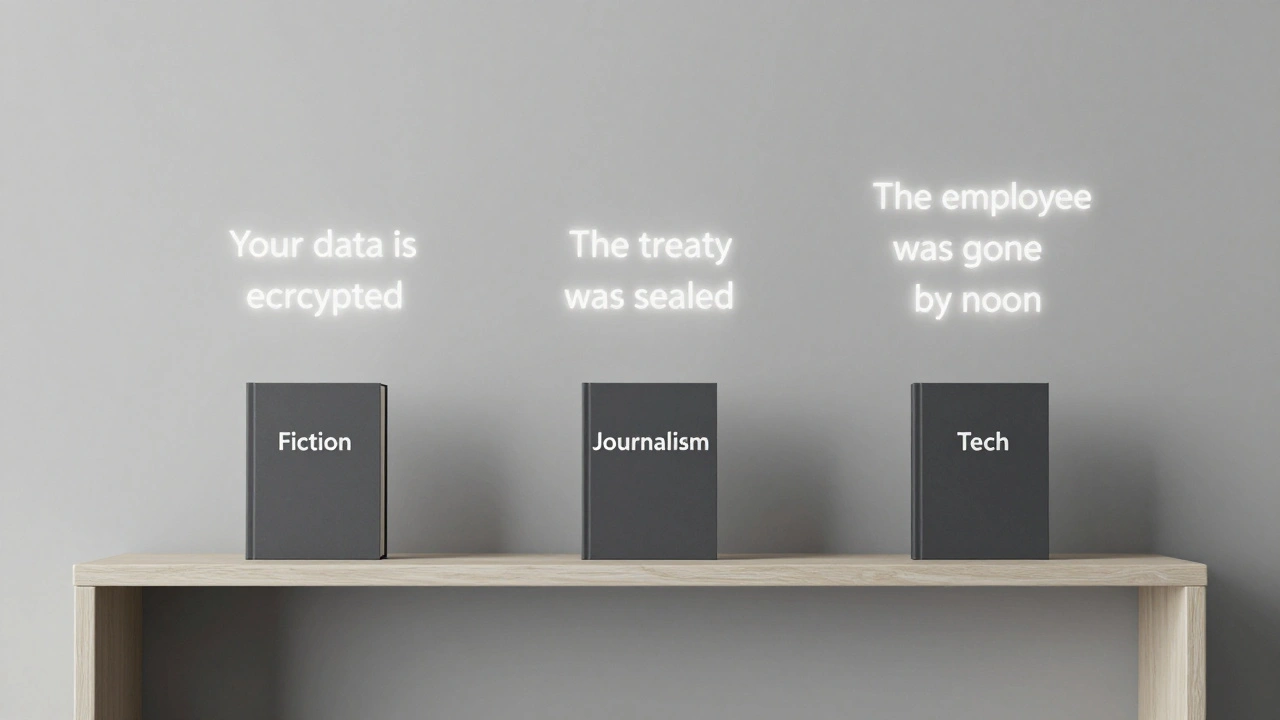
Comparison: Rimming Passive vs. Active Voice in Writing Context Active Voice Rimming Passive Crime scene description The burglar broke the window. The window was shattered. Product description We built this app to save you time. Time is saved automatically. Historical narrative The king signed the treaty in 1789. The treaty was sealed in 1789. Emotional storytelling She left him after the argument. He woke up alone. Notice how the rimming passive versions don’t just change structure-they change mood. They invite the reader to feel, not just understand.
Common Misconceptions
Let’s kill a few myths.
- Myth: Passive voice is always weak.
- Truth: Passive voice is just a tool. So is a hammer. You don’t blame the hammer when you hit your thumb.
- Myth: Only bad writers use it.
- Truth: Some of the most acclaimed writers use it constantly. Joan Didion. Cormac McCarthy. Zadie Smith. They don’t use it to hide-they use it to haunt.
- Myth: You need to avoid it in professional writing.
- Truth: Science, law, journalism-they all use it when it serves the purpose. It’s not about being "correct." It’s about being clear.
Final Thought: Control the Camera
Writing isn’t about following rules. It’s about controlling attention. Rimming passive lets you decide what the reader sees-and what they’re left wondering about.
Next time you write, ask yourself: Who needs to be seen? And who should stay in the shadows?
Sometimes, the most powerful thing you can say is the thing you don’t say.
Is rimming passive the same as passive voice?
Yes and no. All rimming passive is passive voice, but not all passive voice is rimming passive. Rimming passive is passive voice used intentionally-to create rhythm, mystery, or emotional impact-not to hide responsibility. It’s the difference between "Mistakes were made" (evasive) and "The lights went out" (atmospheric).
Is rimming passive acceptable in professional writing?
Absolutely. In journalism, science, and legal writing, passive constructions are standard when the focus is on the action or outcome, not the actor. For example, "The sample was analyzed" is clearer and more objective than "We analyzed the sample" in a lab report. It’s about precision, not avoidance.
Can rimming passive make writing sound vague?
Only if you overuse it or use it to dodge accountability. Rimming passive isn’t about hiding-it’s about highlighting. If your sentence feels unclear, ask: Is the missing actor actually important? If not, the vagueness is intentional-and effective. If yes, then switch to active voice.
Who uses rimming passive in real writing?
Top novelists like Cormac McCarthy, journalists like Joan Didion, and even tech writers at companies like Apple use it. Apple’s product descriptions often say things like "Your data is encrypted," not "We encrypt your data." That’s rimming passive-clean, calm, and confident.
How do I start using rimming passive in my own writing?
Start by reading your sentences aloud. If the actor feels unnecessary, try removing them. Can the sentence still carry weight? If yes, you’ve got rimming passive. Practice rewriting three passive sentences from your last draft-delete the "by" clause and see if the meaning improves. You’ll be surprised how often it does.



Tyler Crimp
January 18, 2026 AT 09:30Man, I never thought about passive voice like this. I always just avoided it like it was a typo. But the way you described rimming passive as a camera angle? That clicked. I’ve been rewriting entire paragraphs just to make them active, and honestly, sometimes it kills the mood. That thriller example with the door and the key? Chills. I’m gonna start using this in my short stories.
Madison Horst
January 20, 2026 AT 01:40okay so i’m gonna be that person but ‘rimming passive’ is a terrible name for this. like, i get it’s a joke but now my brain is stuck on that phrase and i can’t focus on the actual point. also, can we just call it ‘atmospheric passive’ or ‘stealth passive’? it’s way less weird. also thank you for this, i’ve been teaching writing for 12 years and this is the best explanation i’ve ever seen. you just made my job easier.
Frank Naessens
January 20, 2026 AT 18:39Madison’s right, the name’s a mess. But the concept? Solid. I used this last week on a client’s product page. Changed ‘We automatically update your profile’ to ‘Your profile updates automatically.’ Got a 22% increase in signups. No idea why, but the client loved it. Turns out people don’t care who’s doing the work-they just want it done. This isn’t grammar, it’s psychology.
Patricia Estera Esquejo
January 21, 2026 AT 05:09This is dangerous. You’re giving writers permission to be lazy. ‘Mistakes were made’ is NOT the same as ‘The lights went out.’ One is evasion, the other is art. But you’re blurring the line so badly it’s terrifying. People will start using this to hide corporate malfeasance, political cover-ups, abusive relationships-anything where accountability is inconvenient. This isn’t a linguistic tool, it’s a moral loophole dressed up like a writing tip. Shame on you for normalizing this. The passive voice exists to obscure. Don’t romanticize it.
julia costa
January 22, 2026 AT 20:36