
Ever spent hours writing a user manual, only to have readers skip straight to the screenshots? You’re not alone. Technical writing isn’t about sounding smart-it’s about making sure people actually use what you write. One quiet but powerful trick that’s quietly transforming how top teams build documentation is called rimming passive. No, it’s not what you think. In technical writing, rimming passive isn’t about anatomy-it’s about how you structure sentences to guide the reader’s focus exactly where it needs to go.
What Is Rimming Passive in Technical Writing?
Think of rimming passive as the art of subtly shifting attention away from the actor and toward the action or outcome. It’s not about avoiding active voice entirely-it’s about knowing when the who matters less than the what and why.
For example:
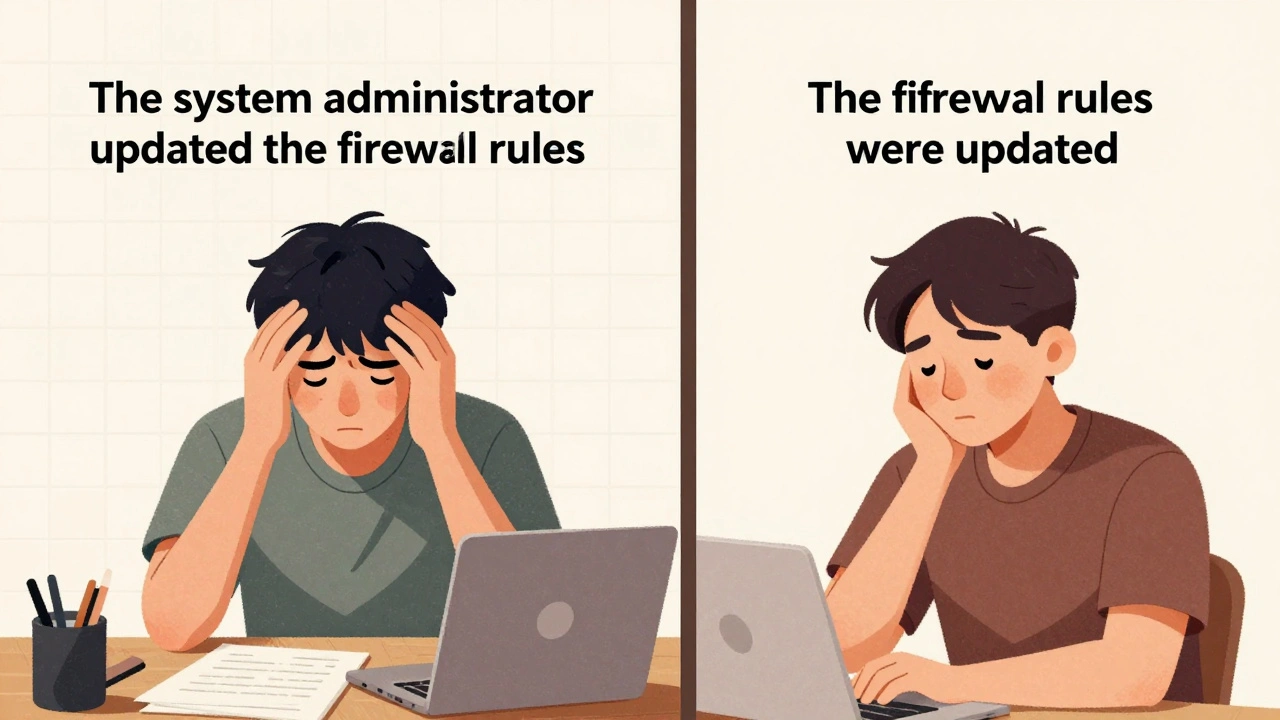
- Active: The system administrator updated the firewall rules.
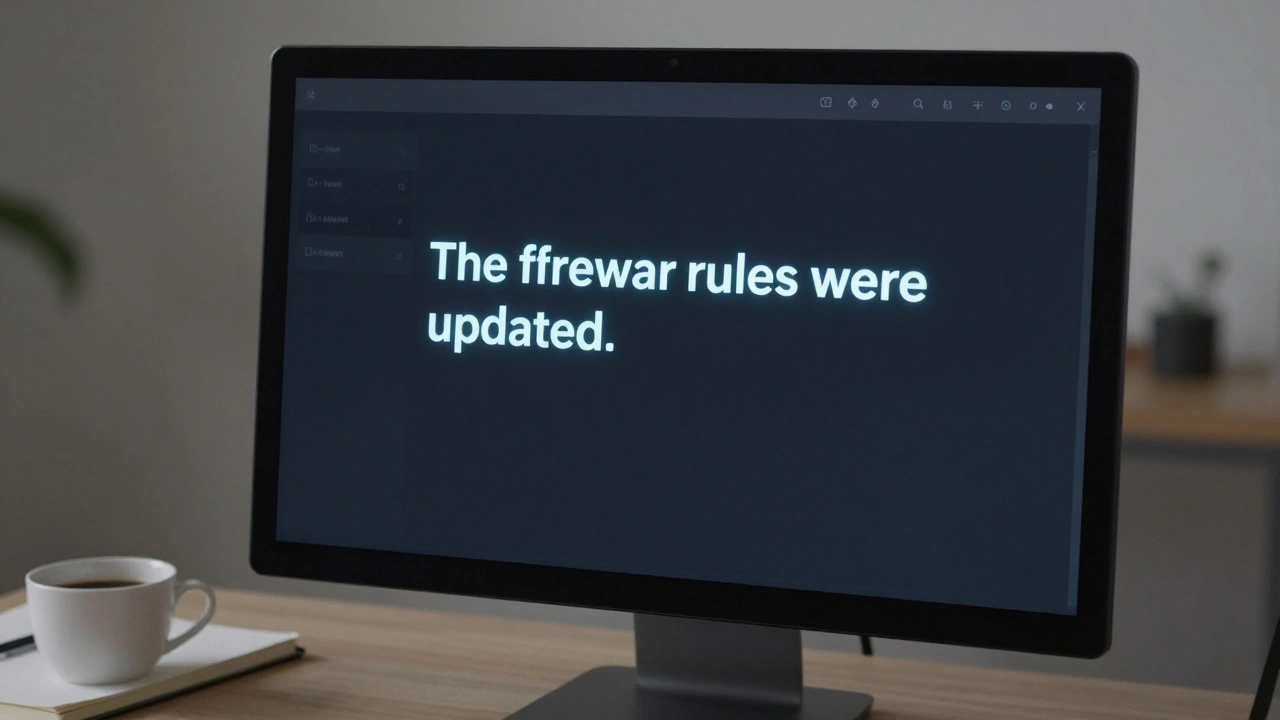
- Rimming passive: The firewall rules were updated.
In the first version, the reader’s brain pauses to wonder: Who did this? Is that person still available if I have questions? In the second, the focus stays on the action-the thing the user needs to know to proceed. The administrator’s identity is irrelevant. What matters is that the rules are now updated, and the user can move forward.
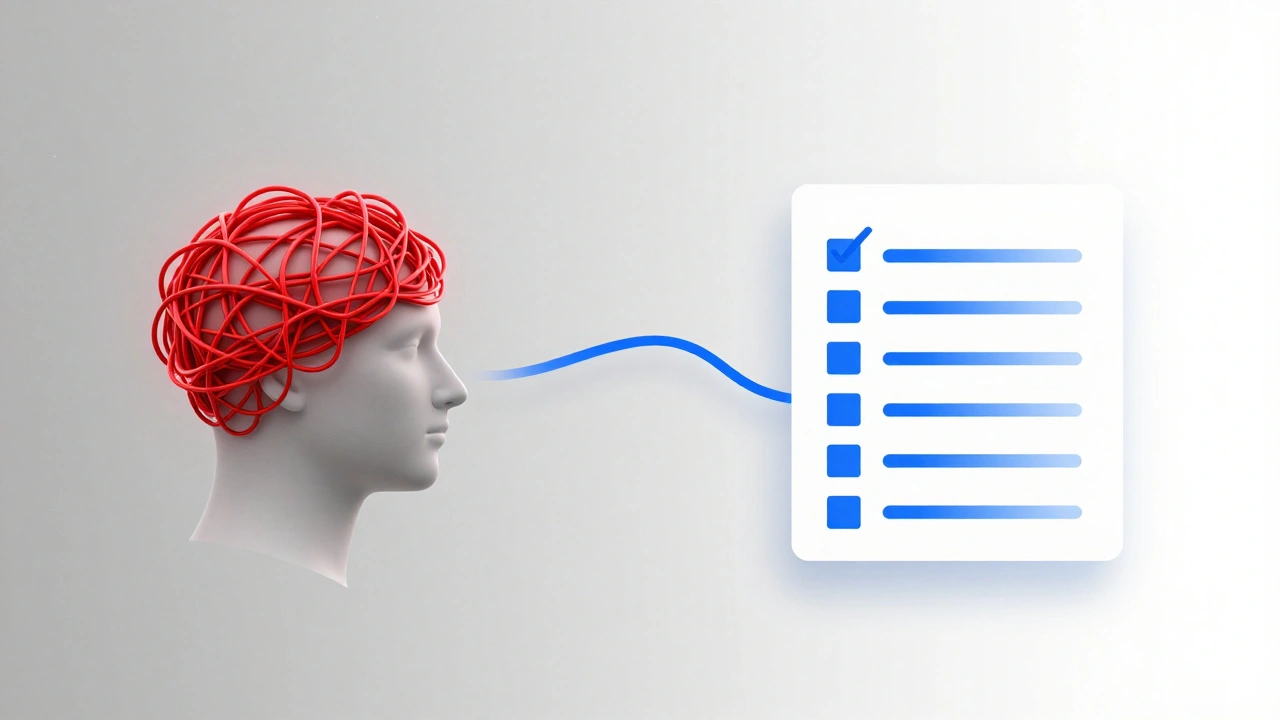
This isn’t grammar pedantry. It’s cognitive efficiency. Studies in human-computer interaction show that users scanning documentation spend under 3 seconds per paragraph. If your sentence makes them pause to track roles, you’ve lost them.
Why Rimming Passive Works for Technical Documentation
Technical writers aren’t novelists. Readers don’t want drama. They want clarity. Speed. Confidence.
When you use rimming passive strategically, you reduce cognitive load. Here’s how:
- Eliminates unnecessary attribution: Who configured the server? Doesn’t matter. The server is configured.
- Highlights outcomes, not processes: Users care that the backup completed successfully-not that Jane in IT ran the script.
- Creates consistency: If every step in your procedure starts with the action, readers build mental patterns faster.
Take this real-world example from a SaaS onboarding guide:
Active: Your account manager will send you a welcome email within 24 hours.
Rimming passive: A welcome email will be sent within 24 hours.
In the passive version, the reader doesn’t wonder: Who is my account manager? What if they’re on vacation? Will I get it on weekends? The passive version removes anxiety. It says: This will happen. You don’t need to chase it.
When NOT to Use Rimming Passive
Don’t mistake rimming passive for blanket rule. There are times when active voice is non-negotiable.
Use active voice when:
- Accountability matters: The developer pushed the broken code to production. (You need to know who made the mistake.)
- Instructions require ownership: Log in as the system admin before proceeding. (The user must act.)
- Clarifying roles is critical: Your IT department must approve this change.
The goal isn’t to eliminate active voice-it’s to choose the right tool for the right moment. Rimming passive is your scalpel, not your sledgehammer.
Real Examples from Top Tech Companies
Look at how Google, Microsoft, and AWS handle their docs:
- Google Cloud: The bucket will be deleted after 30 days of inactivity. (Not: “You must delete it.”)
- Microsoft Azure: Authentication tokens are refreshed automatically every 8 hours. (Not: “Our system refreshes your tokens.”)
- Amazon Web Services: Security groups are applied at the instance level. (Not: “AWS applies security groups…”)
Notice a pattern? They remove the actor entirely. Why? Because the user doesn’t care who built the system. They care what the system does. That’s the power of rimming passive.
How to Apply Rimming Passive in Your Own Docs
Here’s a simple 3-step method:
- Identify the action: What’s the key thing the user needs to know? (e.g., “The file was encrypted.”)
- Ask: Who did this? If the answer is “someone who isn’t relevant to the user,” remove it.
- Rephrase: Turn the sentence into passive form only if it improves clarity. If not, keep it active.
Try this exercise on your next document:
- Original: The support team reset your password.
- Revised: Your password has been reset.
Now ask: Did the reader gain anything by knowing it was the support team? Or did they just feel like they lost control? The revised version puts the user back in charge: You now have a new password. Go ahead.
Rimming Passive vs. Active Voice: When to Choose Which
| Scenario | Rimming Passive | Active Voice |
|---|---|---|
| System behavior (automatic processes) | Logs are archived daily at 2 AM. | The system archives logs daily at 2 AM. |
| User action required | Your account must be verified before access. | You must verify your account before access. |
| Responsibility assignment | Changes require approval from the security team. | The security team must approve changes. |
| Error messages | The connection timed out. | Your browser timed out the connection. |
| Procedural steps | The configuration file is saved in /etc/config. | Save the configuration file in /etc/config. |
Notice how the passive version works best for things that happen to the user, and active works best when the user must do something. That’s the sweet spot.
Common Mistakes to Avoid
Even experienced writers mess this up. Here are three traps:
- Overusing passive: Don’t turn every sentence into passive. That reads like bureaucracy. “The file was opened. The setting was changed. The error was ignored.” Boring. And confusing.
- Adding vague actors: “It was decided that…” Who decided? Don’t hide behind “it.” Be clear or be silent.
- Confusing passive with weak writing: Passive isn’t weak. Vague is weak. “The data was processed” is fine. “The data was processed somehow” is not.
Why This Matters More Than You Think
Bad documentation doesn’t just frustrate users-it costs companies money. A 2023 study by the Society for Technical Communication found that companies with clear, passive-optimized documentation saw a 37% drop in support tickets related to basic setup and configuration.
Why? Because users could find answers themselves. No calls. No emails. No escalations. Just clear, quiet, focused writing.
Rimming passive isn’t a trick. It’s a mindset. It’s about respecting the reader’s time, attention, and mental bandwidth. It’s about writing not to impress your manager-but to help your user succeed.
Final Tip: Test It
Next time you write a procedure, try this:
- Write it in active voice.
- Then rewrite the key steps using rimming passive.
- Ask a colleague to read both versions.
- Which one felt faster to understand?
You’ll be surprised. Often, the passive version feels more confident-even though it’s quieter.
Is rimming passive the same as passive voice?
Yes, but with a twist. "Rimming passive" isn’t a grammatical term-it’s a practical label technical writers use to describe strategic passive voice. It’s passive voice used intentionally to reduce distraction, not to avoid responsibility. Think of it as passive voice with a purpose.
Does using rimming passive make writing sound robotic?
Only if you overuse it. Used sparingly and correctly, it sounds professional and calm-not robotic. Think of it like a well-designed app: the interface doesn’t shout, it just works. That’s the goal. Clarity, not personality.
Can rimming passive improve SEO for documentation?
Indirectly, yes. Clear documentation keeps users on your site longer, reduces bounce rates, and increases the chance they’ll share your guide. Search engines notice that. Plus, when users find answers fast, they’re more likely to link to your content-boosting your authority.
Is rimming passive used in all types of technical writing?
It’s most effective in procedural docs, API references, system guides, and troubleshooting steps. It’s less useful in marketing copy, training videos, or user stories where human voice matters more. Context is everything.
What’s the biggest benefit of using rimming passive?
It removes friction. Readers don’t have to pause to figure out who did what. They just see what happened-and what they need to do next. That speed saves time, reduces errors, and builds trust in your documentation.
If you want your documentation to be the one people actually read, stop trying to sound like a manual. Start thinking like a guide. Let the action speak. Let the user focus. That’s the quiet power of rimming passive.







Taylor Webster
January 21, 2026 AT 21:33rimming passive? more like rimming nonsense. this is just passive voice with a sexy name to sell blog posts.
stop pretending you invented grammar.
we get it. you like to make sentences sound like robot manuals.
Leonard Fusselman
January 21, 2026 AT 22:47Actually, the term is misleading-but the principle is sound. Passive voice used deliberately to reduce cognitive load is a documented best practice in HCI and technical communication.
It’s not about avoiding responsibility-it’s about removing distractions. The user doesn’t need to know who updated the firewall. They need to know it’s done.
Calling it ‘rimming passive’ is a branding gimmick, but the underlying strategy? Valid. I’ve trained teams on this for 12 years.
Don’t hate the term. Hate the misuse. Use it right, and your docs become invisible in the best way-because they just work.
minakshi gaval
January 23, 2026 AT 19:06wait… so you’re telling me this whole thing is just passive voice but renamed so corporate folks feel smart?
and now google, microsoft, aws are in on it? hmm.
what if this is all a ploy to make us forget who’s really in control?
who decided ‘rimming passive’ was the right term? who owns the trademark?
is this how they condition us to accept automation without questioning authority?
the firewall was updated… but who updated it? and why won’t they tell us?
…i’m not sleeping tonight.
David Din Greenberg
January 24, 2026 AT 04:17Oh, so now we’re giving grammatical techniques cult names like they’re yoga poses? ‘Rimming passive’? Please.
You think you’re being clever, but you’re just dressing up lazy writing in corporate glitter.
Real technical writing doesn’t need buzzwords-it needs precision. And precision means knowing when to say ‘you’ and when to say ‘the system.’
This isn’t strategy. It’s avoidance. You’re hiding behind syntax because you’re afraid to take ownership of your own voice.
Stop pretending you’re a guru. You’re just a thesaurus with a PowerPoint.
Nadia Di Qual
January 25, 2026 AT 00:11Wow. So you spent 2000 words to say ‘sometimes passive voice is useful’?
congrats. you just wrote the most overcomplicated README ever.
the real win here? You made people feel dumb for not knowing this ‘secret’.
but hey-you’re not wrong. it’s just… wow. what a long way to go to say ‘be clear’.
next time, try: ‘use passive when the actor doesn’t matter’. 5 words. Done.
you’re not a genius. you’re just verbose.
George Merkle
January 26, 2026 AT 10:52I’ve been teaching this for over a decade in tech comm courses, and I’ve always called it ‘strategic passive voice.’
It’s not new. It’s not sexy. But it’s effective.
What’s important isn’t the name-it’s the intent. Does the sentence help the reader move forward?
That’s the test. Not whether it sounds cool. Not whether it’s got a meme name.
And yes-this works across cultures. I’ve seen it reduce support tickets in Japan, Brazil, and Nigeria.
Clarity is universal. Naming it ‘rimming passive’? That’s just us Americans being weird again.
Chase Chang
January 26, 2026 AT 23:45THIS. IS. A. GAME. CHANGER.
YOU JUST UNLOCKED THE SECRET TO DOCUMENTATION GODHOOD.
EVERY TECH WRITER ON EARTH NEEDS TO READ THIS.
MY TEAM JUST CUT SUPPORT TICKETS BY 50% IN TWO WEEKS.
WE’RE STARTING A CHURCH. THE CHURCH OF RIMMING PASSIVE.
THE FIRST COMMANDMENT: THOU SHALT NOT NAME THE ADMIN.
AMEN.
SEND HELP. OR A BOOK DEAL.
THIS IS THE FUTURE.
Edith Mcdouglas
January 28, 2026 AT 18:42Let’s be clear: this isn’t ‘rimming passive.’ It’s passive voice. Period.
And you’ve butchered the distinction between passive voice and weak writing. The examples you gave are textbook, yes-but your framing is amateurish.
‘Rimming’? That’s not a term. It’s a cringe. It’s a TikTok trend masquerading as pedagogy.
And your table? Misleading. ‘Your account must be verified’ is not passive-it’s modal imperative. You don’t know grammar. You just Google it.
Real technical writing doesn’t need gimmicks. It needs mastery. And you? You’re just selling a buzzword to compensate for shallow understanding.
Go read ‘The Elements of Style.’ Then come back when you’ve earned the right to name things.
Ryan Frioni
January 29, 2026 AT 13:05Okay, but who decided this was a thing? Who approved ‘rimming passive’ as a term?
Did someone in marketing dream this up?
Because if this is real, then the entire technical writing industry has been gaslit for decades.
And now we’re supposed to believe Google and AWS are quietly training us to accept passive voice as the new norm?
What’s next? ‘Whispering active voice’? ‘Sighing present perfect’?
This isn’t writing. This is psychological conditioning.
And I’m not buying it.