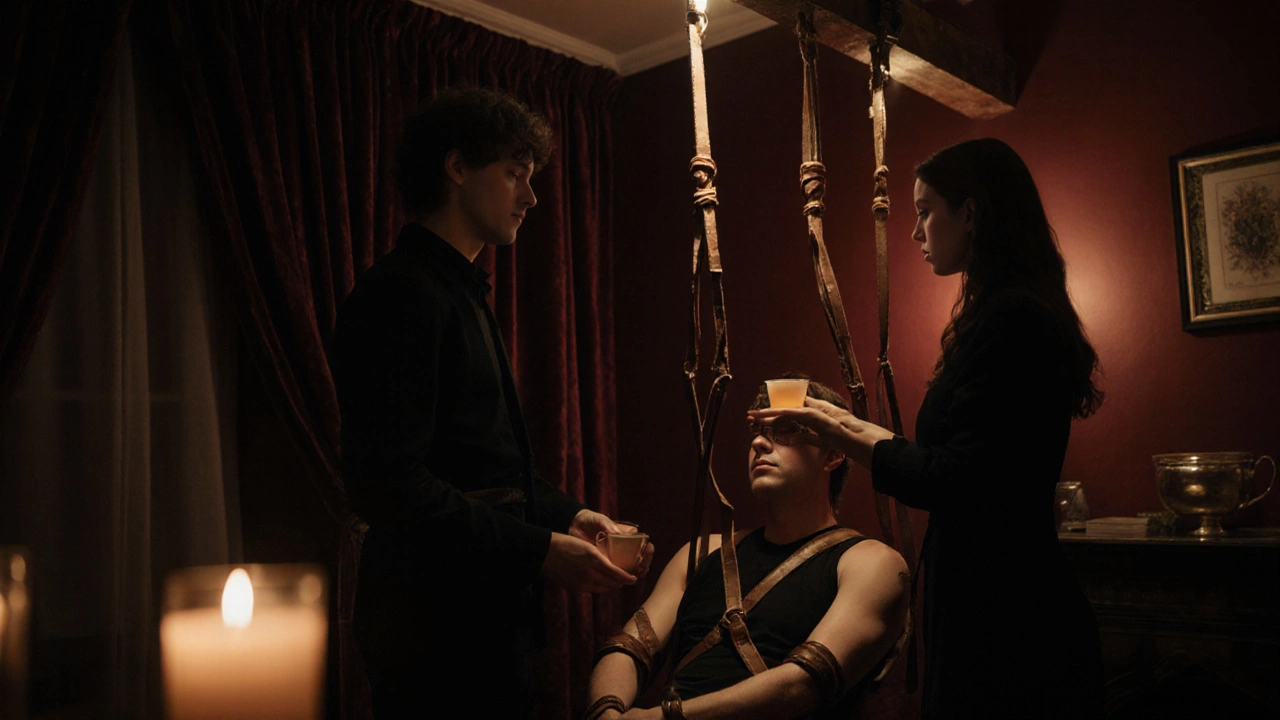

You’ve seen the movies. The leather, the chains, the whispered commands. But what’s bondage london really like outside the screen? It’s not about power plays or dark secrets. It’s about trust. About letting go. About finding freedom in surrender.
What Bondage London Really Means
Bondage isn’t just ropes and cuffs. In London, it’s a quiet revolution in personal expression. People from all walks of life - teachers, engineers, artists, nurses - walk into private studios or intimate homes not to be dominated, but to be held. To be safe. To be seen.
Unlike pop culture portrayals, real bondage in London is built on consent, communication, and care. It’s not about pain. It’s about sensation. About the weight of silk ties around your wrists. About the stillness that follows when you stop fighting control. About breathing deeper than you have in years.
London’s scene doesn’t thrive in basements or underground clubs. It thrives in clean, well-lit spaces with soft lighting, temperature control, and clear boundaries. These aren’t hidden spots - they’re professional environments run by trained practitioners who treat bondage like therapy, not spectacle.
Why People Come to Bondage in London
Why do you show up? Maybe you’re tired of always being in charge. Maybe you’ve spent years managing stress, deadlines, and expectations - and you’re exhausted from holding it all together.
One client, a 34-year-old software developer, told me: "I code for 12 hours a day. I fix things. I solve problems. But in bondage, I don’t have to fix anything. I just have to be."
That’s the core of it. Bondage in London offers a rare kind of relief: the freedom to stop doing. To stop performing. To stop explaining yourself.
Studies in psychology show that controlled sensory restriction can reduce cortisol levels by up to 30% in under 30 minutes. That’s not magic. That’s neuroscience. When your body stops anticipating danger - when you’re held, not harmed - your nervous system finally relaxes.
It’s not about sex. Not always. Sometimes, it’s just about being wrapped in cotton and silence while someone else holds the keys.
Types of Bondage Experiences in London
Not all bondage is the same. London offers a spectrum - from gentle restraint to structured play. Here’s what you’ll actually find:
- Soft Bondage: Silk scarves, velvet cuffs, feather-light ties. Perfect for beginners. Focus is on sensation, not restriction.
- Structural Bondage: St. Andrew’s crosses, suspension rigs, wooden frames. Used for longer sessions with full-body immobilization. Requires experience and trust.
- Sensory Deprivation: Blindfolds, earplugs, hoods. Removes external input so internal sensations - touch, breath, heartbeat - become louder.
- Role-Based Bondage: Teacher-student, doctor-patient, guard-prisoner. Uses narrative to deepen immersion. Consent is negotiated before the scene begins.
- Community Bondage Nights: Monthly events in private venues where people gather to observe, learn, or participate in a safe, non-judgmental space.
Most people start with soft bondage. It’s not about how tight the ropes are - it’s about how safe you feel.
How to Find a Reputable Bondage Provider in London
Google won’t help you here. Search for "bondage london" and you’ll get ads for fetish clubs or adult shops. But real, ethical bondage? It’s word-of-mouth.
Start with trusted communities:
- London BDSM Meetup Group: Holds monthly safety workshops and introductions. No pressure. Just conversation.
- Bound & Safe London: A vetted directory of practitioners who follow UK BDSM safety standards. All have training in first aid, consent protocols, and aftercare.
- Reddit r/LondonBDSM: Active forum with real reviews and personal stories. Look for posts with details - not just "great session," but "used silk restraints, checked in every 5 minutes, gave me tea afterward."
Never go to someone who doesn’t offer a pre-session consultation. That’s non-negotiable. A good provider will ask you:
- What do you hope to feel?
- What’s your limit? (Not just "no pain," but "no wrists above head," "no gagging," "no leaving me alone for more than 10 minutes")
- What do you need after?
These aren’t just questions. They’re the foundation of trust.

What to Expect During Your First Session
Imagine walking into a room that smells like lavender and wood polish. Soft music plays. No mirrors. No phones. Just a bed, a chair, and a few pieces of equipment you don’t recognize yet.
The practitioner will sit with you. Not as a performer. As a guide. They’ll explain each tool. Show you how the cuffs open. Let you test the tension on the ropes. You’re in control. Always.
Then, slowly, you’ll begin. A silk scarf around your wrists. Gentle pressure. A deep breath. You feel the warmth of the fabric. The quiet. The lack of choice. And for the first time in months - maybe years - you don’t have to decide anything.
Time stretches. Your thoughts slow. You notice the rhythm of your breathing. The way your shoulders drop. The way your jaw unclenches.
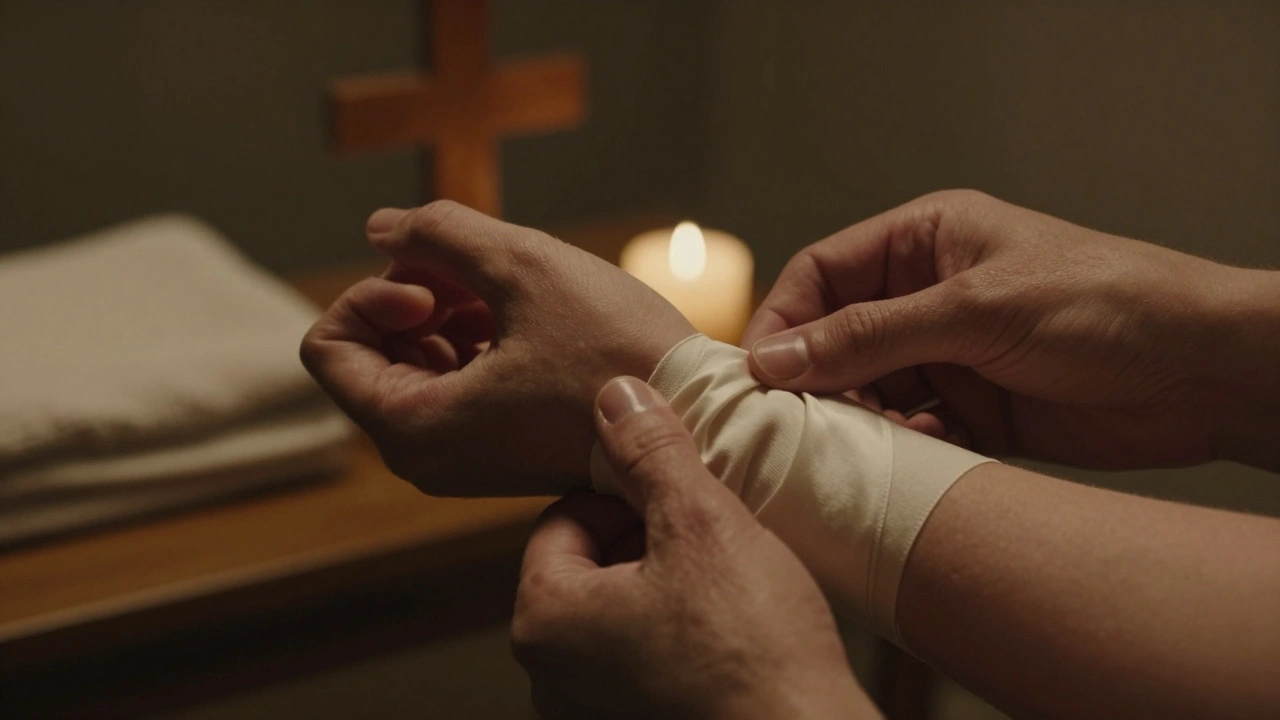
Afterward, they’ll unwrap you. Not rushed. Not awkward. They’ll hand you a warm towel. Offer water. Ask how you’re feeling. No judgment. No expectations.
This is aftercare. It’s not optional. It’s part of the healing.
Pricing and Booking
Bondage in London isn’t cheap - but it’s not a luxury. It’s an investment in your mental space.
- First session: £80-£120 (60-90 minutes, includes consultation and aftercare)
- Standard session: £100-£150 (90 minutes)
- Extended session: £180-£250 (2+ hours, includes sensory deprivation or full-body restraint)
Most providers require a 50% deposit to book. Cancellations under 24 hours are non-refundable - not because they’re greedy, but because they reserve time specifically for you. This isn’t a spa where they can just book someone else in.
Payment is always cash or bank transfer. No credit cards. No public platforms. Privacy matters.
Safety First: What You Must Know
Here’s the truth: bad experiences happen when people skip the basics.
Always:
- Have a safe word. "Red" means stop immediately. "Yellow" means slow down. No exceptions.
- Check circulation. Numbness? Tingling? Tell them. Now.
- Never agree to "no aftercare." That’s a red flag.
- Bring your own towel, water, and comfortable clothes to change into.
- Don’t go under the influence. Alcohol, drugs, or even heavy meds? Don’t risk it.
And if someone says "you’re not strong enough to handle this"? Walk out. Real bondage doesn’t test your limits - it honors them.
Bondage vs. Fetish Play in London
People mix these up. They’re not the same.
| Aspect | Bondage | Fetish Play |
|---|---|---|
| Primary Focus | Restriction, surrender, sensory calm | Role, costume, fantasy enactment |
| Typical Tools | Ropes, cuffs, silk, blindfolds | Latex, corsets, boots, masks |
| Duration | 60-120 minutes | 90-180 minutes |
| Aftercare | Essential - quiet time, hydration, touch | Often included, but varies |
| Best For | Stress relief, mental reset, emotional release | Identity expression, fantasy fulfillment |
Bondage is inward. Fetish play is outward. One helps you find peace. The other helps you play a role. Both are valid. But they serve different needs.
Frequently Asked Questions
Is bondage in London legal?
Yes, as long as it’s consensual, private, and doesn’t involve non-consenting parties or harm. UK law protects adult, informed BDSM activities under the principle of personal autonomy. Practitioners follow strict safety guidelines set by organizations like the UK BDSM Safety Council.
Do I need experience to try bondage?
No. Most people start with zero experience. In fact, beginners often have the clearest boundaries - they haven’t learned to ignore their instincts yet. Good providers specialize in guiding first-timers. Ask for "beginner-friendly" sessions.
Can I bring a friend?
Not for your session. Bondage is deeply personal. Bringing someone else can break the trust. But you can attend group workshops or community nights together. Those are designed for shared learning.
What if I get aroused? Is that weird?
It happens. And it’s normal. Bondage isn’t about sex - but your body doesn’t always know the difference. A good provider won’t react. They’ll keep going, or pause if you ask. There’s no shame in it. Your body is just responding to touch and stillness.
How often should I do this?
There’s no rule. Some people do it once a year. Others once a month. Listen to your body. If you feel lighter, calmer, more grounded after - that’s your sign. Don’t force it. Don’t compare yourself to others. This isn’t a habit. It’s a reset.
Final Thought
Bondage in London isn’t about what you’re tied to. It’s about what you’re finally free from.
Freedom isn’t always about movement. Sometimes, it’s about stillness. About letting someone else hold the keys - not because you’re weak, but because you’re brave enough to stop holding on.
Ready to feel what it’s like to truly let go? Start with a consultation. No pressure. No expectations. Just a quiet room, a safe word, and the chance to breathe again.