
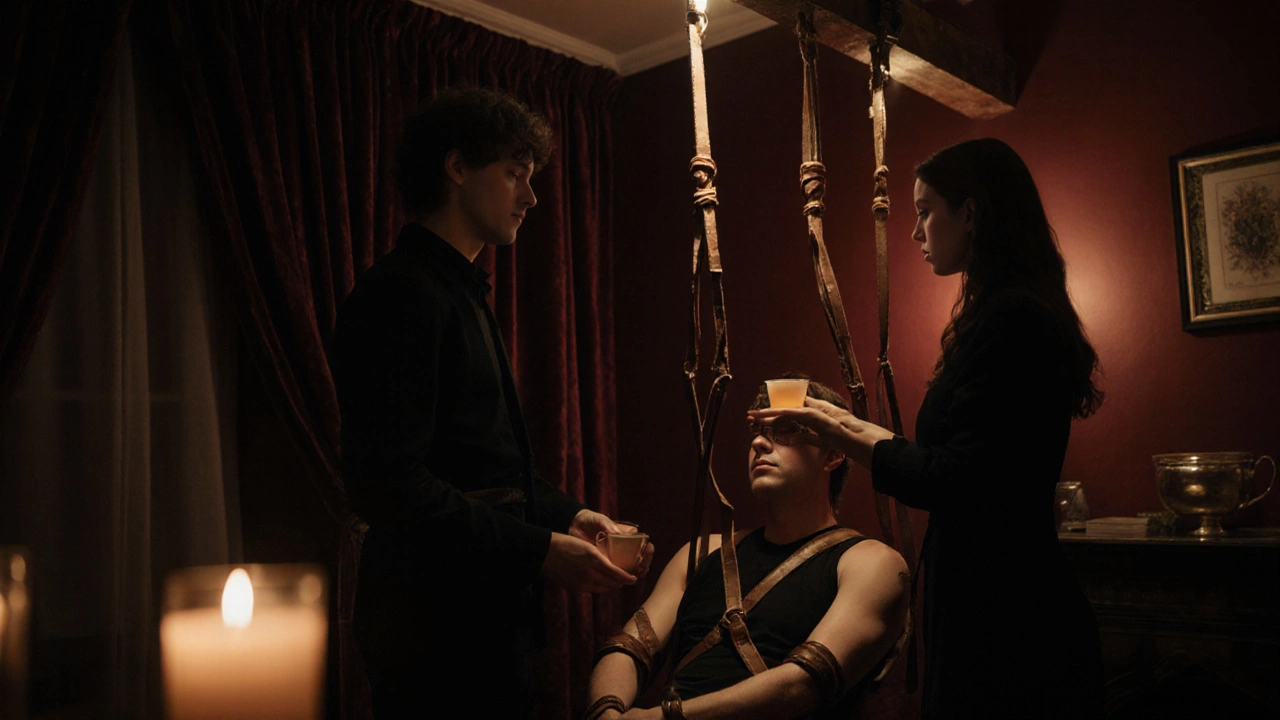
You walk into a dimly lit room in East London. The air smells like leather and candle wax. A soft hum of music pulses through the walls. Someone’s tied up-gently, carefully-while another person watches, smiling. This isn’t a scene from a movie. It’s a regular Tuesday night at one of London’s top bondage clubs. If you’ve ever wondered what real-life bondage looks like in the city, you’re not alone. Thousands of people in London explore power exchange, restraint, and sensory play every week. And yes, there are safe, welcoming spaces for it.
What Is Bondage in London Really Like?
Bondage isn’t just chains and blindfolds. In London, it’s a community. People come here to explore trust, control, and surrender-not for shock value, but because it feels right. The scene here is mature, respectful, and deeply rooted in consent. You won’t find wild parties with no rules. You’ll find people checking in with each other, using safe words, and respecting boundaries like sacred ground.
London’s bondage scene grew quietly over the last 20 years. It started in private homes and underground basements. Now, it’s in dedicated clubs, workshops, and social meetups. The city has some of the oldest and most respected BDSM spaces in Europe. And unlike places that glamorize pain, London’s focus is on connection. It’s about communication. About learning your limits-and pushing them, safely.
Why People Come to London for Bondage
Why here? Because London doesn’t just tolerate this lifestyle-it supports it. You can walk into a club, say you’re new, and someone will sit with you for 20 minutes to explain how things work. No judgment. No pressure. Just honest talk.
People come for different reasons:
- Some want to try bondage for the first time and need a safe space to learn.
- Others are seasoned practitioners looking for like-minded people.
- Many just want to feel seen. In a city of millions, finding your tribe matters.
One regular, Maya, told me: “I used to think I was broken because I liked being tied up. Then I came to The Velvet Room. For the first time, I didn’t have to explain myself.” That’s the power of this scene. It doesn’t ask you to change. It asks you to show up.
The Best Bondage Clubs in London
Not all spaces are the same. Some are loud and wild. Others are quiet and intimate. Here are the top five venues that consistently get rave reviews from the community:
1. The Velvet Room (Shoreditch)
Open since 2008, The Velvet Room is the gold standard. Low lighting. Soft music. No flashing lights or loud DJs. It’s designed for connection, not distraction. The space has multiple rooms: one for beginners, one for advanced play, and a chill lounge where people talk over tea. Membership is required, but the application process is simple-just an interview and a one-time fee of £35. First-timers get a free orientation.
2. The Dungeon at The Black Box (Camden)
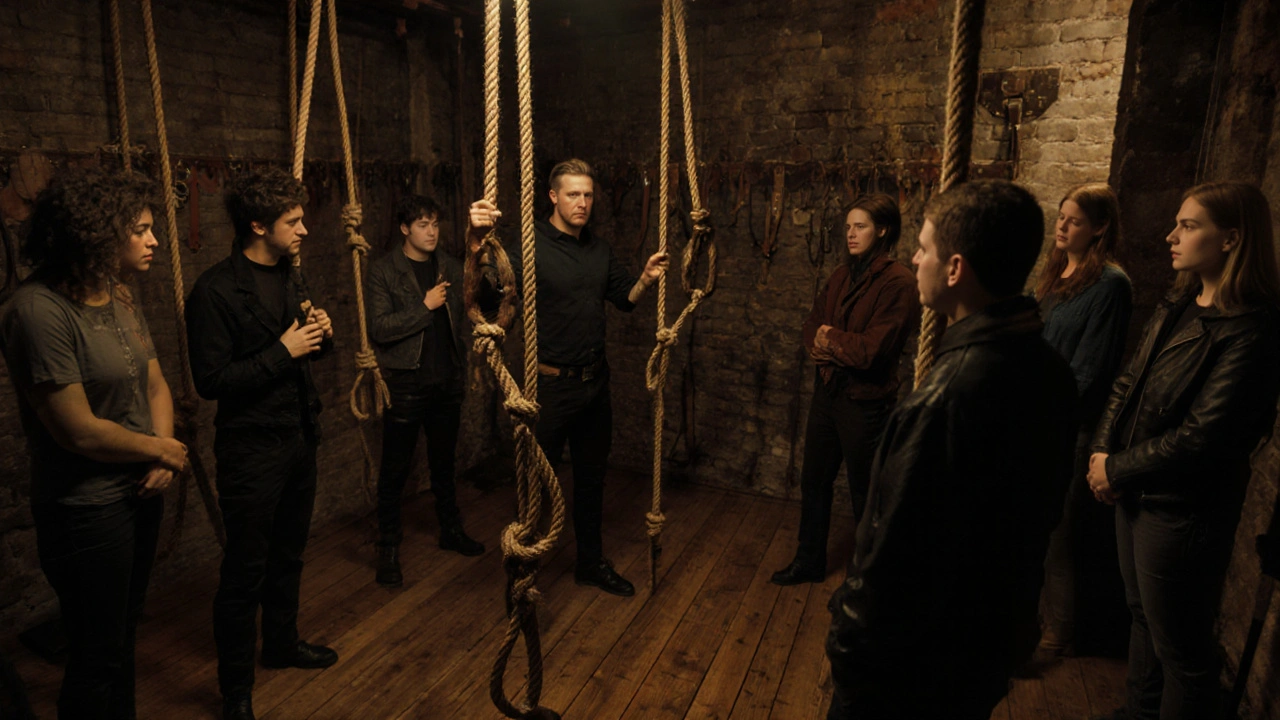
This place feels like stepping into a gothic library meets playroom. Wooden floors, hanging ropes, and a wall of cuffs. The Black Box hosts themed nights-“Silent Bondage,” “Sensory Deprivation,” “Consent Workshops.” It’s not just about tying people up; it’s about understanding why. They run monthly classes taught by certified educators. You can sign up for a beginner’s workshop for £25. No experience needed.
3. The Garden (Notting Hill)
Think of this as the quiet cousin of the scene. The Garden is a members-only space with a garden patio, indoor play area, and a library of bondage books. It’s popular with older attendees and couples. The vibe is calm, almost meditative. They don’t allow photography. No phones on the floor. Just presence. Membership is £120/year. First visit is £15 for guests.
4. Kinky Nights at The Tabernacle (Notting Hill)
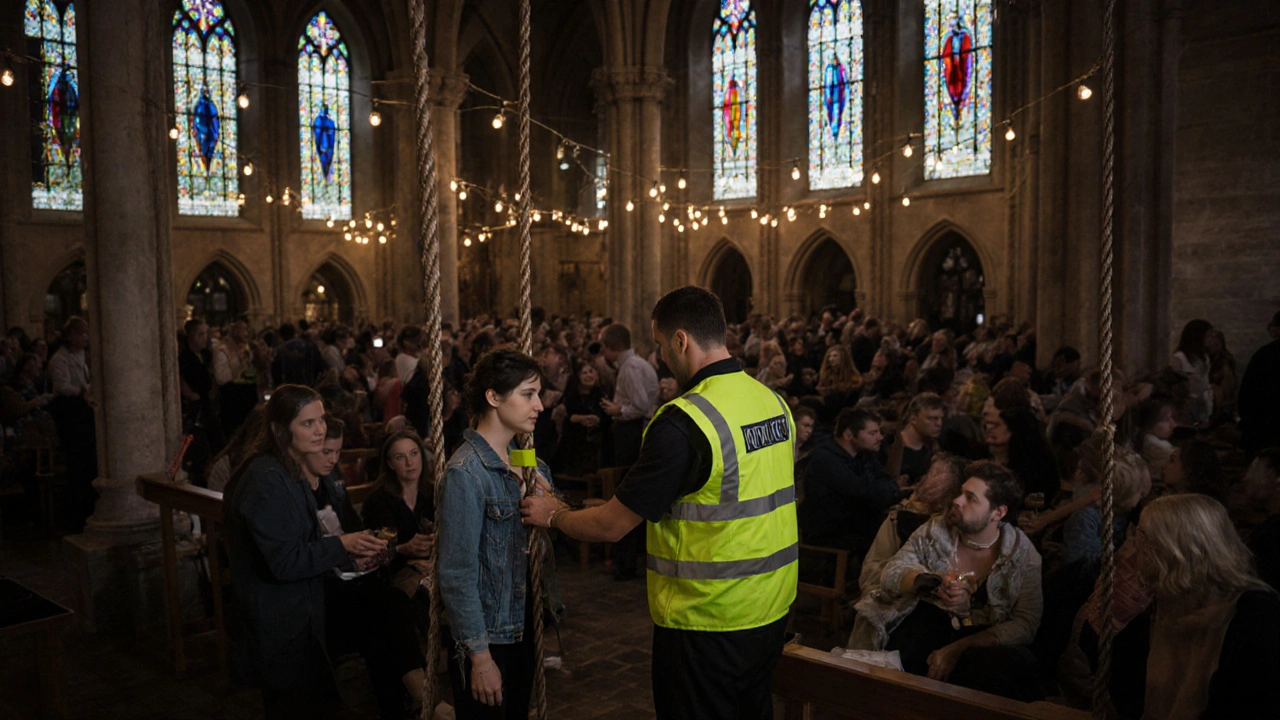
Every third Friday, this historic church-turned-event-space becomes a playground for the community. It’s the biggest open event in the city. Expect 200+ people. There are stages for demonstrations, a rope tying corner, and even a “safety station” where trained volunteers check in on people. Entry is £10. It’s the best place to meet people if you’re new.
5. The Loom (Wandsworth)
Run by a queer collective, The Loom is inclusive, feminist, and deeply ethical. They focus on consent culture, body positivity, and dismantling power imbalances-even in play. Their workshops cover everything from rope safety to emotional aftercare. They host weekly “Open Floor” nights where anyone can come and explore. No membership needed. Pay what you can: £5-£20.
What to Expect on Your First Visit
If this is your first time, here’s what actually happens:
- You arrive. Most places have a sign-in desk. You’ll be asked for ID and to agree to their consent policy.
- You get a quick tour. Someone will show you where the bathrooms, chill zones, and safety stations are.
- You’re given a wristband. Green means “I’m open to play.” Yellow means “I’m talking, but not playing.” Red means “No contact.”
- You wander. Talk to people. Ask questions. No one will pressure you.
- You leave when you’re ready. There’s no obligation to play. Just being there is enough.
Most people don’t play on their first visit. That’s normal. Many just sit in the lounge, watch, and soak it in. And that’s okay.
Pricing and How to Book
Costs vary by venue:
- Open nights (like The Tabernacle): £8-£15
- Membership clubs (The Velvet Room, The Garden): £35-£120/year
- Workshops: £20-£50 per session
- Private sessions: £50-£150/hour (booked through vetted professionals)
Most places accept cash or card. Some have online booking through their websites. Always check their official site before showing up. Don’t rely on third-party listings. The scene is small and tight-knit. Scams exist.
Safety First: How to Stay Safe in the Bondage Scene
This isn’t a place for risk-taking. Safety is non-negotiable.
- Always use a safe word. “Red” means stop. “Yellow” means slow down. “Green” means keep going.
- Never tie around the neck. That’s a common mistake. Even experienced people avoid it unless they’re trained.
- Check circulation. If your hands or feet go numb, speak up. Someone will help.
- Aftercare matters. After a session, people need to reconnect. Water. Hugs. Quiet time. Don’t skip this.
- Trust your gut. If something feels off, leave. No one will think less of you.
Every venue has trained safety marshals. They’re not bouncers-they’re volunteers who know first aid, rope safety, and trauma response. Find them when you arrive. Say hi. They’re your allies.
Bondage vs. Fetish Nights in London
People often mix up bondage and fetish events. Here’s the difference:
| Aspect | Bondage Clubs | Fetish Nights |
|---|---|---|
| Focus | Restraint, control, trust | Costumes, roleplay, aesthetics |
| Atmosphere | Calm, intimate, quiet | Loud, colorful, performative |
| Best for beginners | Yes | Only if you’re comfortable with crowds |
| Typical attire | Black, leather, simple | Latex, corsets, themed outfits |
| Learning opportunities | Workshops, mentorship | Shows, demos, but less hands-on |
If you’re new, start with a bondage club. Save the glitter and latex for later.
Frequently Asked Questions
Do I need to be in a relationship to visit a bondage club in London?
No. Most people come alone. Many are single. Others are in open relationships. The scene is welcoming to all relationship styles. You don’t need a partner to explore.
Is bondage legal in the UK?
Yes, as long as it’s consensual, between adults, and doesn’t cause lasting harm. UK law protects private, consensual adult activity under the Sexual Offences Act 2003. Clubs follow strict safety guidelines to stay compliant.
What if I’m shy or anxious?
You’re not alone. Most people feel that way the first time. Start with a workshop or a quiet night like The Garden. Bring a friend if it helps. No one will push you. You can sit in the corner with a book and still be part of the space.
Are there women in the bondage scene?
Yes. In fact, women make up nearly half the attendees in London’s top clubs. Many are dominants, rope artists, and educators. The scene is far more diverse than pop culture suggests.
Can I take photos or record videos?
Never. Most clubs have a strict no-photography rule. Even your phone should be off. This isn’t about secrecy-it’s about safety. Violating this rule gets you banned, permanently.
Ready to Explore?
You don’t need to be a pro. You don’t need to dress a certain way. You just need to show up-and be honest with yourself. London’s bondage scene isn’t about fantasy. It’s about real connection, in a world that rarely lets us feel truly seen.
Start with one night. Pick a venue. Go early. Talk to someone. You might leave with more than you came for.




Alison Bennett
November 18, 2025 AT 13:29lol so this is just mind control by the government?? 😏 they want you to think it's 'consent' but it's just programming... they're watching through the candles... 🕯️👁️
Ellie Holder
November 19, 2025 AT 06:36Let’s deconstruct the underlying epistemological framework of this so-called 'community.' The normalization of power exchange under the guise of 'consent' is a neoliberal co-optation of intimacy, repackaged as identity politics to mask the commodification of vulnerability. The Velvet Room isn’t a sanctuary-it’s a curated performance of subjugation dressed in velvet curtains and sanitized language. Consent is a legal fiction when structural power differentials persist. The fact that you're being told to 'just show up' while paying £35 for orientation reveals the transactional core of this entire apparatus. This isn’t liberation-it’s bourgeois fetish tourism.
Tina Reet
November 20, 2025 AT 05:22There is a profound moral decay at work here. The elevation of bondage as a legitimate form of human connection is not only a betrayal of traditional values, but a direct assault on the sanctity of bodily autonomy. Consent, as framed here, is a linguistic sleight of hand. If one is 'tied up gently,' then who defines 'gently'? Who monitors the psychological erosion? This is not community-it is institutionalized submission masquerading as empowerment. The fact that people are encouraged to 'sit and watch' rather than question the structure speaks volumes. We are not discussing intimacy. We are discussing the erosion of boundaries under the banner of 'safe spaces.' This is not progress. This is surrender.
Melanie Luna
November 21, 2025 AT 12:18While I appreciate the effort to document these spaces, I must emphasize that the safety protocols described-while well-intentioned-are insufficient without standardized, third-party certification. The absence of mandatory trauma-informed training for all staff, the reliance on volunteer marshals without formal medical credentials, and the lack of standardized aftercare documentation protocols present systemic risks. Furthermore, the use of colored wristbands, while visually intuitive, is not universally understood across neurodivergent populations. I strongly recommend that all venues adopt ISO 13485-compliant consent verification systems, integrate real-time biometric monitoring for stress indicators, and require annual certification for all facilitators. Until then, this remains a well-meaning but dangerously unregulated ecosystem.
Beth Butler
November 22, 2025 AT 17:36You’re not alone in feeling nervous-just showing up is already so brave. 💛
Rachel Neiman
November 24, 2025 AT 00:25People always assume you need to be 'ready' to walk in, but you don’t. You just need to be willing to listen. The first time I went to The Loom, I sat in the corner for an hour with a book. No one said a word to me. Then someone slid a cup of tea over. That’s all it took. You don’t have to perform. You just have to be there. And that’s enough.
Andy Haigh
November 24, 2025 AT 13:33UK lets this fly but bans real freedom. You can tie people up but not say 'God' in public. This is the rot of liberal decay. They call it 'consent' but it's just another way to destroy the family. You think this is about connection? Nah. It's about breaking the West from within. They want you to forget what real strength is. Bondage? That's what you get when you stop believing in anything but your own ego. Wake up. This isn't liberation. It's surrender to the elite's agenda
Patrick Wan
November 24, 2025 AT 23:00Are we certain that these 'clubs' are not surveillance fronts for intelligence agencies? The timing coincides with the UK's increased data collection initiatives under the Online Safety Act. The emphasis on 'no photography' is suspicious-why would a legitimate community enforce such a rule unless they are hiding digital footprints? The use of 'safe words' mirrors psychological conditioning techniques used in coercive control programs. The fact that membership fees are accepted in cash suggests deliberate obfuscation. This is not a subculture-it is a controlled experiment in behavioral modification, masked as kink. Who funds The Velvet Room? Who owns the building? Who are the 'certified educators'? We must demand transparency. This is not about bondage. This is about control.
Lydia Huang
November 25, 2025 AT 05:01omg i went to the tabernacle last month and it changed my life!!! 🥹🫂 i was so nervous but everyone was so sweet and one lady taught me how to tie a figure eight and i cried because no one ever made me feel safe like that before!!! 💕💕💕 also the tea was nice and i ate a cookie and now i go every week!!! 🍪✨
Cindy Pino
November 25, 2025 AT 20:09Let’s be clear-this isn’t about community. It’s about the institutionalization of deviance under the banner of inclusivity. The normalization of power exchange as a form of emotional fulfillment is a direct consequence of the collapse of moral absolutes. The fact that you’re being told to ‘just show up’ without any ethical framework beyond consent is alarming. Consent is not a substitute for virtue. The absence of spiritual grounding, the rejection of traditional social structures, and the elevation of personal desire above communal responsibility are symptoms of cultural decay. This is not empowerment. It is the final stage of nihilism dressed in leather and candlelight. You don’t need a wristband. You need a soul.