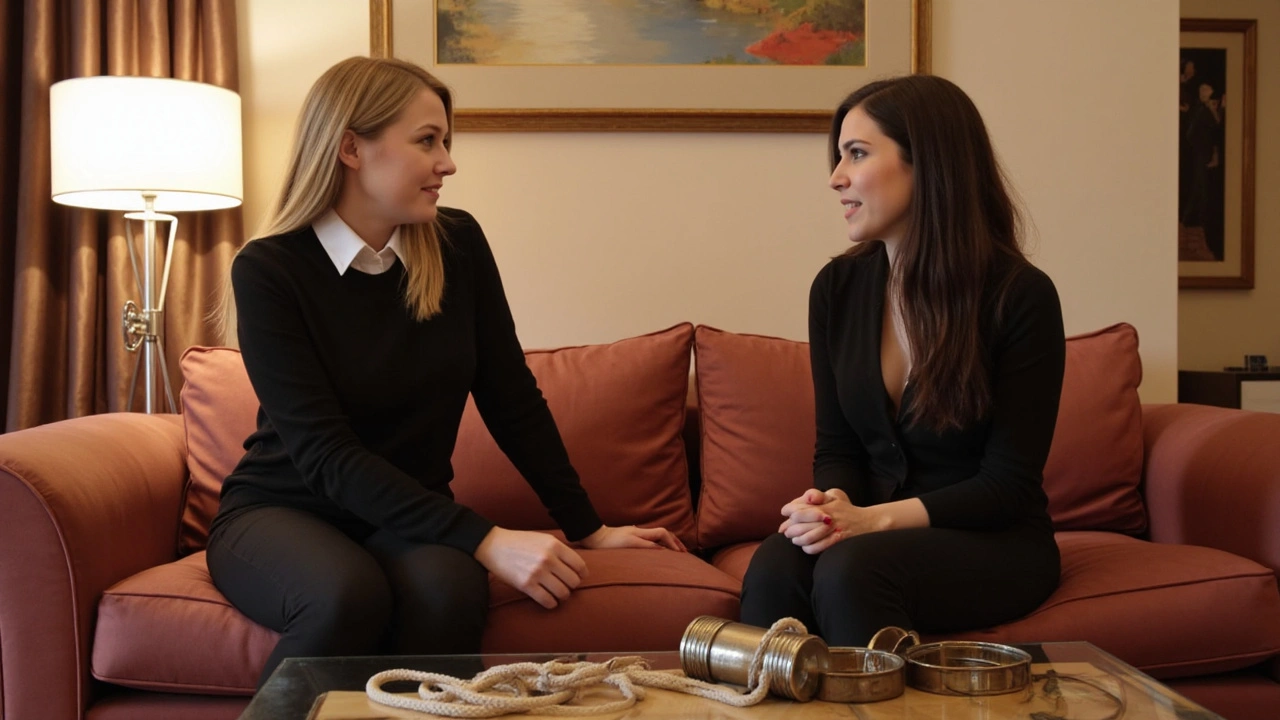
You’ve seen the photos-women in leather, men in ropes, bodies bound in ways that look intense, even intimidating. But here’s the truth most people miss: bondage isn’t about control. It’s about surrender. And for a lot of people, that surrender is the first step toward real body love.
Let’s be clear: this isn’t about punishment. It’s not about shame. It’s not about fitting into someone else’s idea of beauty. It’s about you-your curves, your scars, your stretch marks, your stretchy skin, your cellulite, your soft belly, your strong arms-and choosing to feel safe, seen, and sexy exactly as you are.
What Bondage Really Means (Beyond the Myths)
When you hear "bondage," you might picture chains, blindfolds, and power plays. And sure, those can be part of it. But the heart of bondage? It’s trust. It’s vulnerability. It’s letting someone else hold you-not to break you, but to help you feel held.
Think of it like a deep hug that lasts longer than a few seconds. When your wrists are gently tied, your body isn’t trapped-it’s free. Free from the pressure to move, to perform, to fix yourself. Free from the voice in your head that says, "You’re not enough."
And here’s the quiet secret: bondage doesn’t require a partner. Many people practice solo bondage-using soft scarves, silk ties, or even just lying still under a weighted blanket. The goal isn’t to look like a magazine cover. It’s to feel like you finally belong in your own skin.
Why Body Positivity Belongs in Bondage
Body positivity isn’t just about posting selfies in swimwear. It’s about reclaiming your body from the noise. The ads that tell you your hips are too wide. The influencers who say your thighs need tightening. The porn that only shows one kind of body as "desirable."
Bondage, when done with care, flips that script. When you’re bound, you can’t hide. You can’t slouch. You can’t look away. And for some people, that’s terrifying. For others? It’s liberating.
I’ve talked to women who’ve never worn a bikini because they hated their stomachs. Then they tried a gentle bondage session with a trusted friend. The ropes didn’t change their body. But the way they were touched-slowly, reverently, without judgment-changed how they saw themselves.
One woman told me: "I’ve spent years apologizing for my body. In bondage, I finally stopped saying sorry."
The Real Benefits: More Than Just Pleasure
Bondage isn’t just about sex. It’s about presence. When your hands are tied, your mind has nowhere to run. No scrolling. No overthinking. Just breath. Just sensation.
Here’s what people actually report:
- Reduced anxiety-being held physically helps calm the nervous system
- Improved body awareness-you start noticing how your skin feels, how your breath moves, where tension hides
- Stronger self-trust-you learn that your body can handle more than you thought
- Deeper intimacy-even solo, it builds a relationship with yourself
- Release from perfectionism-you can’t "look good" in bondage. You can only feel it
And yes, some people do experience pleasure. But that’s not the point. The point is: you’re not broken. You’re not too much. You’re not too little. You’re just you. And that’s enough.
Types of Bondage You Can Try (No Gear Needed)
You don’t need a dungeon. You don’t need expensive gear. You just need curiosity.
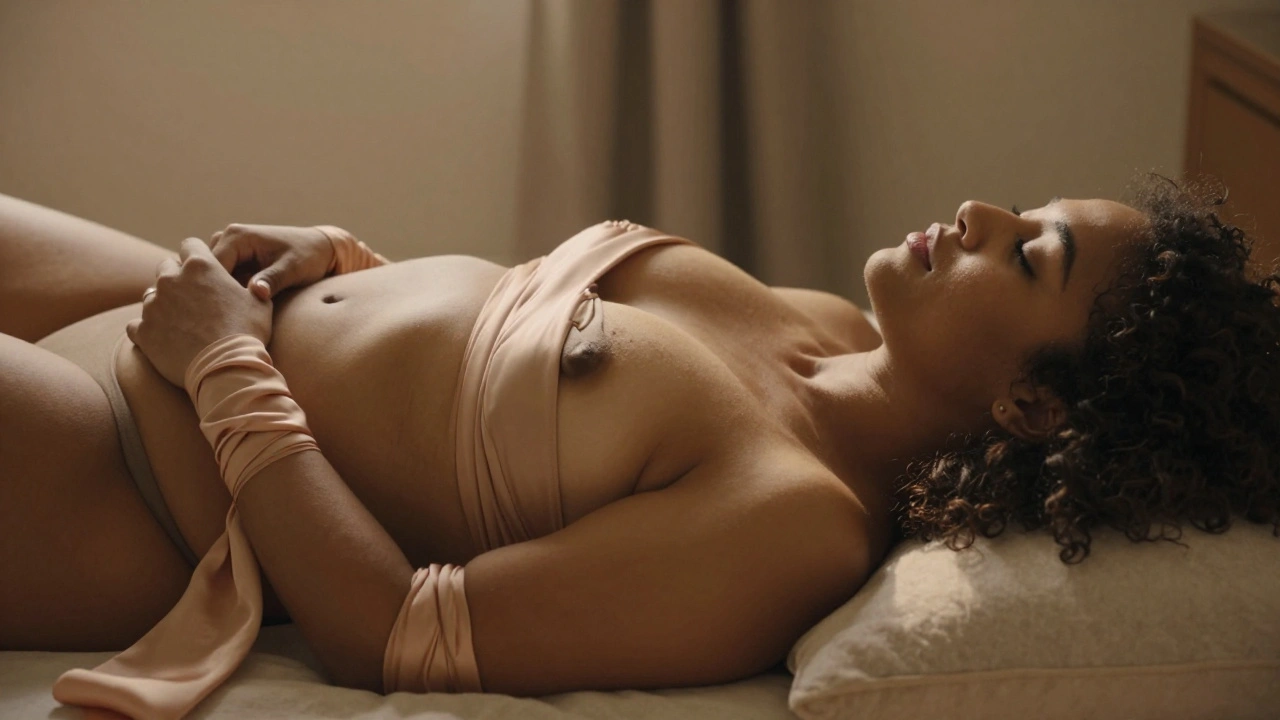
- Silk Scarf Restraints-Soft, adjustable, and safe for beginners. Tie wrists gently behind your back while lying on your back. Breathe. Feel the stretch. Notice how your body responds.
- Weighted Blanket Bondage-Not ropes, but pressure. The weight holds you down like a hug. Great for sensory seekers and those who find touch overwhelming.
- Chair Restraints-Sit in a sturdy chair, wrap a belt around your wrists and tie it to the chair leg. Sit still. Close your eyes. Let your mind wander.
- Eye Mask + Sound Bath-No physical binding, but sensory deprivation. Put on a blindfold, play calming sounds, and just be. This is bondage for the mind.
- Partner-Assisted Bondage-If you have a trusted partner, start slow. Use soft fabric, never nylon or rope on bare skin. Talk through every step. Check in constantly.
Remember: bondage isn’t about how tight it is. It’s about how safe you feel.
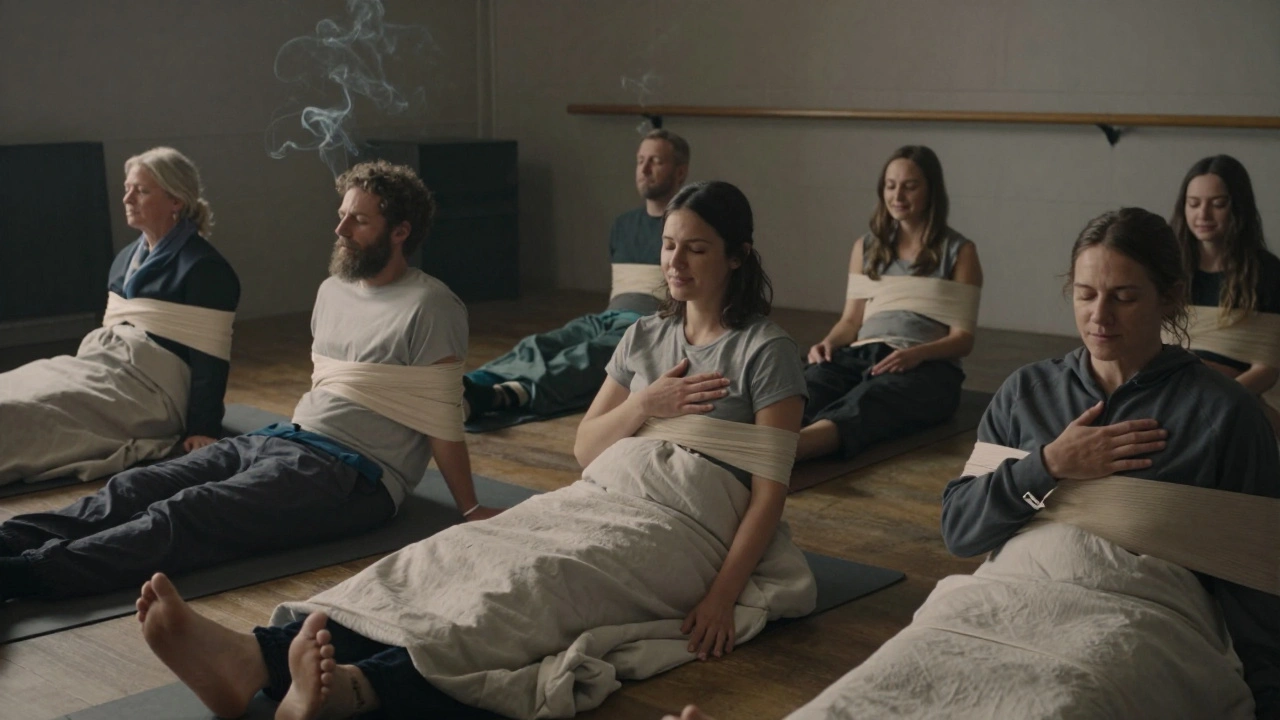
How to Start in London (No Shame, No Pressure)
London has a quiet but thriving community of people exploring bondage as self-care. You won’t find billboards. You won’t see ads. But if you know where to look, you’ll find it.
- Workshops at The Body Positive Space-A small studio in Dalston that offers beginner-friendly bondage and body acceptance sessions. No experience needed. Just bring yourself.
- Community Nights at The Velvet Room-Held once a month in Shoreditch. A safe space for people of all sizes, genders, and backgrounds. No nudity. No pressure. Just connection.
- Online Groups-Search "London Body Positive Bondage" on Facebook. There are quiet, moderated groups where people share tips, ask questions, and offer emotional support.
- Therapists Specializing in Kink-Some therapists in London are trained in kink-affirming care. They don’t pathologize your desires. They help you explore them safely.
You don’t have to go public. You don’t have to post online. You don’t have to be "brave." Just take one small step. Try a scarf. Lie still for five minutes. See what happens.
What to Expect in Your First Session
Imagine this: you walk into a quiet room. Soft lighting. Incense. No mirrors. The person guiding you doesn’t look at your body. They look at your eyes.
They ask: "What do you need right now?" Not "What do you want?" But "What do you need?"
You might say: "I need to feel held." Or "I need to stop thinking." Or "I need to feel like I’m not a mistake."
Then they hand you a scarf. They show you how to tie it loosely around your wrists. They don’t pull. They don’t rush. They wait. They listen.
You sit. You breathe. You cry. You laugh. You don’t know why.
When it’s over, they don’t ask you to perform. They don’t ask for a photo. They just say: "Thank you for trusting me with your body."
That’s it. That’s the whole thing.
Pricing and Booking: No Surprises
Most beginner sessions in London cost between £40 and £80. Some workshops are even free-donated by volunteers who believe this work matters.
Here’s what’s included:
- One-on-one time (45-60 minutes)
- Soft, body-safe materials (no metal, no plastic)
- A pre-session check-in (you talk about boundaries, fears, triggers)
- A post-session debrief (no pressure to talk, but space to if you want)
Never pay upfront for "mystery sessions." Never go somewhere that doesn’t let you ask questions. If they say "just trust us," walk out. Real safety means transparency.
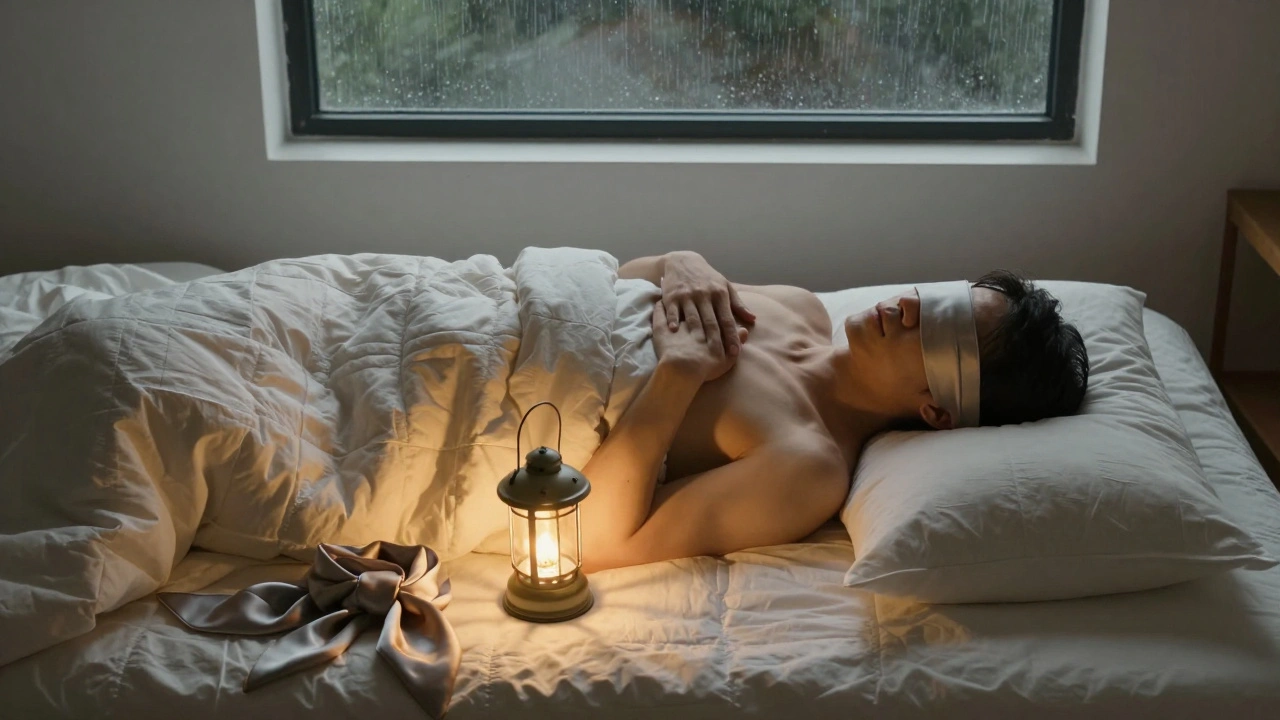
Safety First: Your Body, Your Rules
Bondage is powerful. But power without care is dangerous.
Here’s your non-negotiable checklist:
- Never use rope on bare skin-Always use fabric. Silk, cotton, or soft fleece.
- Check circulation-If your hands go numb, cold, or tingly, untie immediately.
- Have a safe word-Even if you’re alone, say "red" out loud if you need to stop.
- Don’t tie around the neck-This is not worth the risk.
- Don’t do it alone if you’re emotionally fragile-Wait until you feel steady.
- Aftercare is mandatory-Drink water. Wrap yourself in a blanket. Cry if you need to. Rest.
And if someone tells you bondage "fixes" your body? Run. No one can fix you. You’re not broken.
Bondage vs. Traditional Therapy: What’s the Difference?
| Aspect | Bondage as Self-Care | Traditional Therapy |
|---|---|---|
| Focus | Physical sensation, presence, body trust | Mental patterns, past trauma, cognitive change |
| Environment | Quiet, sensory-rich, dim lighting | Clinic, desk, chair |
| Role of Practitioner | Guide, not healer | Therapist, problem-solver |
| Time to Feel Change | Minutes to hours | Weeks to months |
| Best For | Body disconnection, shame, overthinking | Anxiety, depression, deep trauma |
They’re not opposites. They’re allies. Some people do both. One helps you feel your body. The other helps you understand your mind. Together? That’s real healing.
Frequently Asked Questions
Is bondage only for people who like pain?
No. Pain has nothing to do with it. Many people use bondage for comfort, not pain. It’s about pressure, not punishment. Soft ties, weighted blankets, and slow breathing are the most common tools. If it hurts, you’re doing it wrong.
Can I do bondage if I’m plus-size?
Absolutely. In fact, many people with larger bodies find bondage more freeing because it removes the pressure to move or adjust. Silk scarves stretch. Soft ropes adapt. The goal isn’t to look a certain way-it’s to feel held, no matter your shape.
What if I’ve never been sexual before?
You don’t need to be sexual to benefit from bondage. This isn’t about sex. It’s about touch, presence, and trust. Many people who’ve never had sex use bondage to reconnect with their bodies. It’s a quiet form of self-love.
Is this safe for trauma survivors?
It can be-but only with care. If you have a history of trauma, start with solo sessions. Use only soft materials. Always have a safe word. Consider working with a kink-aware therapist first. Your safety comes before anything else.
Will people judge me if they find out?
Some might. But most won’t even know. This is your journey. You don’t owe anyone an explanation. What matters is how you feel-quiet, calm, whole. That’s worth more than any opinion.
You don’t need to be perfect to deserve pleasure. You don’t need to be thin to be worthy of touch. You don’t need to be brave to begin.
You just need to want to feel safe in your own skin. And that? That’s the most powerful kind of rebellion there is.