
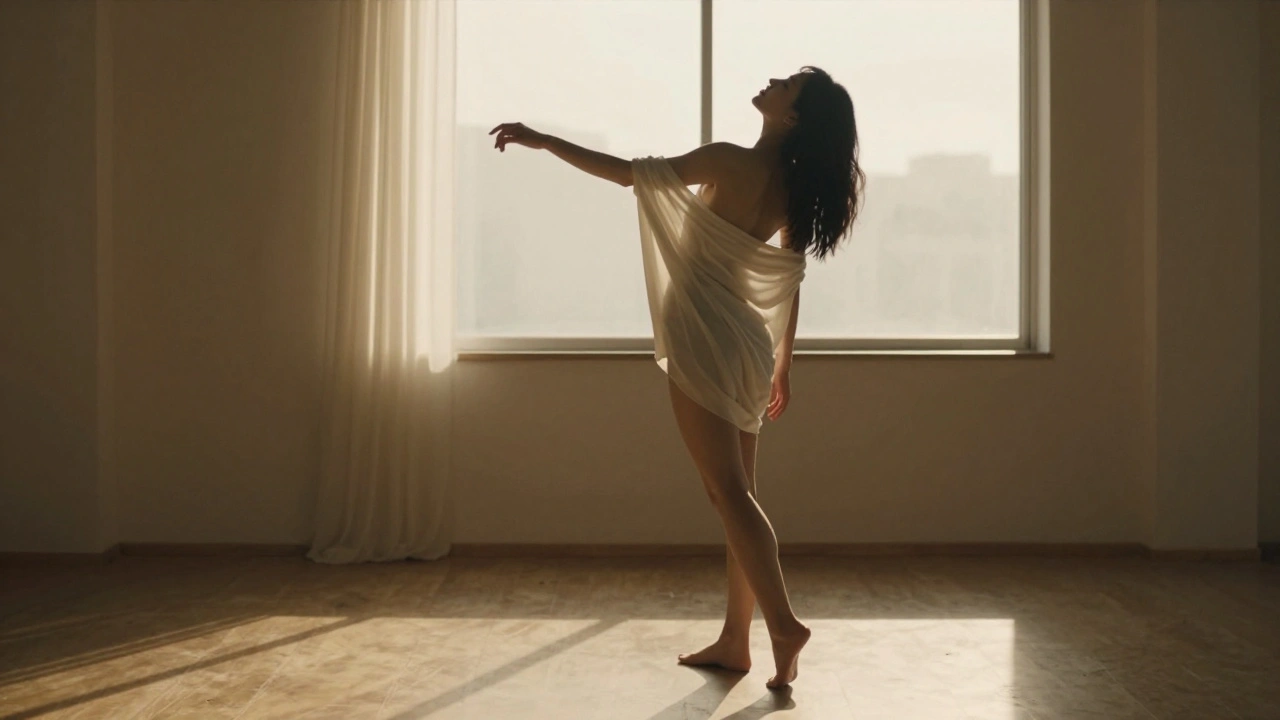
Ever watched a dancer move and felt something shift inside you? Not because it was loud or flashy, but because every shift of the hip, every arch of the back, every glance over the shoulder felt like a secret being whispered? That’s the power of dynamic poses in erotic photography. It’s not about showing skin-it’s about showing soul in motion.
Why Movement Changes Everything
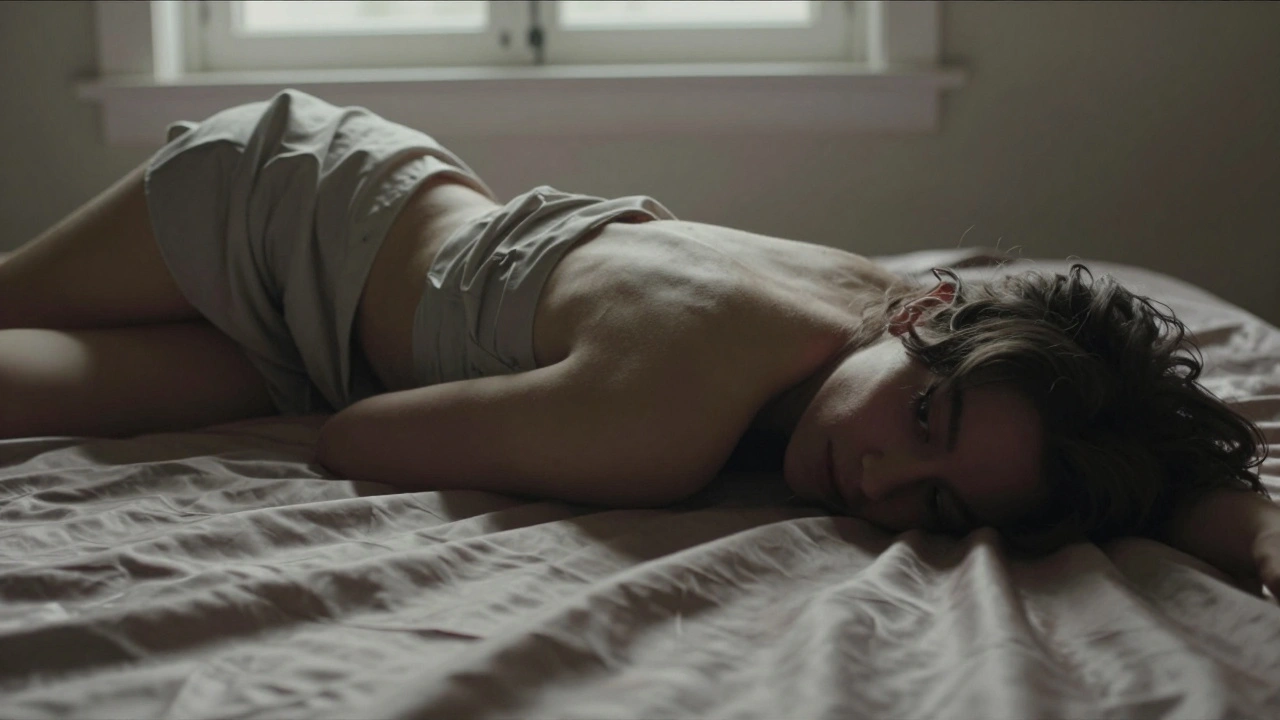
Static poses have their place. A woman lying on silk sheets, one leg bent, arm draped over her forehead-that’s classic. But when she rolls onto her side, pulls the sheet just enough to reveal the curve of her spine, then looks back over her shoulder with a half-smile? That’s alive. That’s magnetic.Movement turns a photo into a story. It shows tension, release, hesitation, desire. It reveals how a body knows itself-not just how it looks, but how it feels. And that’s what makes erotic photography memorable, not just provocative.
Think of it like music. A single note is just a sound. But a melody? That’s emotion made audible. Same with movement. A single pose is a snapshot. A sequence of motion? That’s the song.
What Makes a Pose ‘Dynamic’?
A dynamic pose isn’t just about being active. It’s about intention. It’s about energy flowing through the body, not just occupying space.- Weight shift: One foot forward, the other back. Hips tilted. Shoulders slightly off-axis. This creates natural tension-your body isn’t flat, it’s leaning into something.
- Directional gaze: Looking away from the camera, then glancing back. Not a stare. Not a smirk. A whisper of attention. That’s where the magic hides.
- Flowing limbs: Arms that arc like a wave, legs that stretch as if reaching for something just out of reach. Movement doesn’t need to be fast-it just needs to feel inevitable.
- Implied motion: A hand pulling fabric, hair falling over a shoulder mid-turn, a foot lifting off the floor as if about to step forward. The camera catches the moment before the next move. That’s where the viewer’s imagination takes over.
These aren’t tricks. They’re cues. Your body is speaking. The camera is listening.
How to Build Dynamic Poses-Step by Step
You don’t need a dance degree. You don’t need expensive gear. You just need to feel.- Start with breath. Close your eyes. Breathe in slowly. Let your ribs expand. Feel the air fill your lungs. Now exhale-let your shoulders drop. That’s your starting point. Every pose should begin with this calm awareness.
- Move one part at a time. Don’t try to pose all at once. Lift your left arm. Then shift your weight to your right foot. Then tilt your head. Don’t rush. Let each movement settle before the next.
- Use your environment. Lean against a wall. Run your fingers along a window frame. Sit on the edge of a bed and let one leg dangle. The world around you becomes part of the pose. It’s not just you-it’s you in space.
- Play with speed. Try a slow roll from back to side. Then try it fast. Notice how the body reacts differently. The slow version feels like surrender. The fast one feels like escape. Both are valid.
- Pause at the peak. When you feel the most alive in a movement-freeze. That’s the frame. That’s the moment the photo will capture. Don’t hold it too long. Let it be fleeting.
Try this right now. Stand up. Shift your weight to your left foot. Let your right knee bend slightly. Lift your right arm, not high-just enough to feel the stretch in your side. Now look over your shoulder. Don’t smile. Don’t pose. Just be. That’s it. That’s the pose.
Lighting That Follows Motion
Light doesn’t just illuminate-it tells the story. Harsh overhead light flattens movement. Soft, angled light sculpts it.Use a single window. Late afternoon. Golden hour. The sun slants across the floor. As you move, your body rides that light. Your shoulder catches it. Your thigh dips into shadow. Your neck glows. That’s not lighting. That’s collaboration.
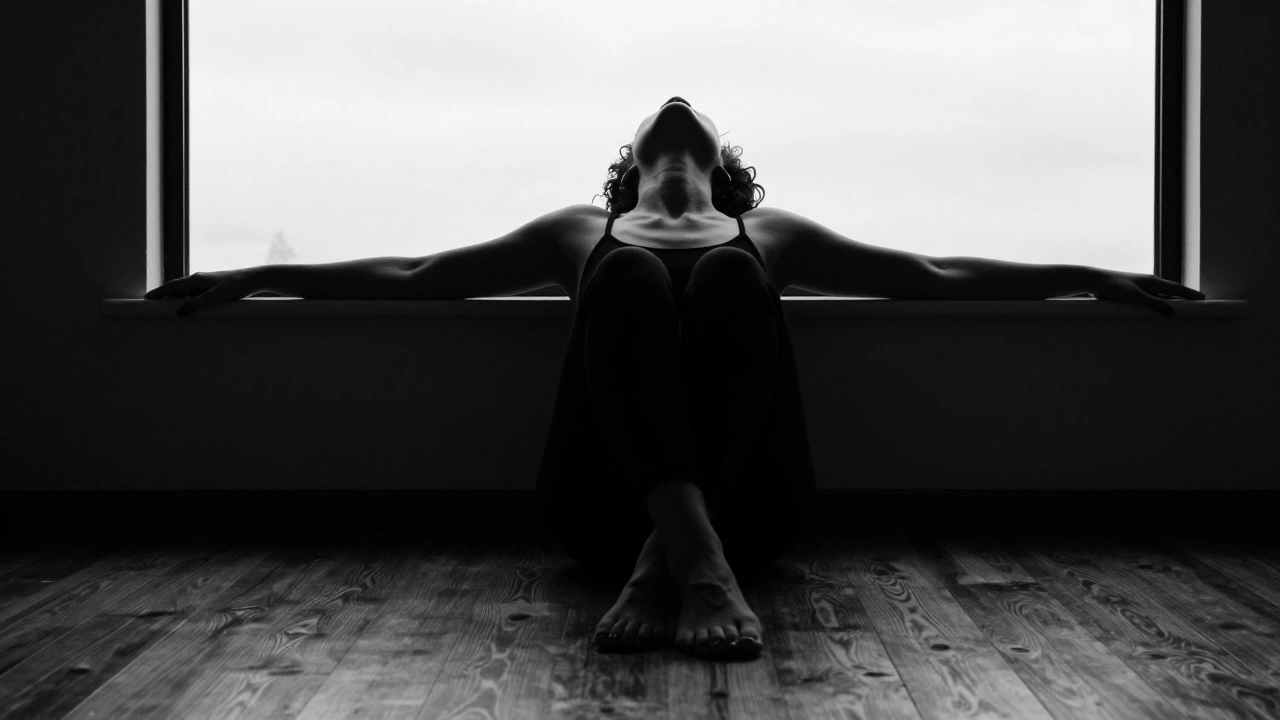
Try this: sit on the floor with your back to the window. Slowly lean back until your head touches the sill. Let your arms fall open. The light will trace your ribs, your collarbone, the curve of your spine. You don’t need to do anything else. The light is doing the work.
Common Mistakes (And How to Avoid Them)
- Trying too hard. If you’re thinking, “Is this sexy?” you’ve already lost. Sexy isn’t a performance. It’s presence. Let go of the idea of being ‘hot.’ Just be real.
- Ignoring the hands. Hands are the most expressive part of the body. Clenched fists feel tense. Fingers lightly brushing skin feel intimate. Let them breathe.
- Staring at the lens. Eye contact can be powerful-but only if it’s earned. Most of the time, looking away, looking down, looking lost in thought-those are the moments that linger.
- Overdoing the props. Silk sheets, feathers, candles-they’re nice. But they’re not the point. The body is the subject. Everything else is decoration.
Dynamic Poses vs. Static Poses: What Works When
| Aspect | Dynamic Pose | Static Pose |
|---|---|---|
| Emotion | Energy, tension, anticipation | Calm, surrender, stillness |
| Best for | Storytelling, editorial work, mood-driven shots | Classic portraits, fine art nudes, minimalist compositions |
| Lighting | Side or back lighting to highlight motion | Soft frontal or diffused lighting |
| Camera speed | Higher shutter speed (1/250s or faster) to freeze motion | Slower shutter speed possible (1/60s or slower) for blur |
| Viewer engagement | Invites imagination-what happens next? | Invites contemplation-what’s being felt now? |
Where to Practice
You don’t need a studio. You need space. And privacy.Try your bedroom at dusk. The light is soft. The walls are familiar. Your body knows it’s safe here. Or find a quiet corner in a friend’s loft. A mirror helps-but don’t rely on it. Trust your feeling more than your reflection.
Some photographers swear by outdoor locations: abandoned warehouses, empty pools, rain-slicked alleys. But start simple. Start small. Start where you feel most yourself.
What to Expect When You Shoot
The first time you try this, you’ll feel awkward. Maybe even silly. That’s normal. You’re not used to moving like this in front of a camera. But after ten minutes, something shifts. Your breath slows. Your shoulders drop. You stop thinking about how you look-and start feeling how you move.That’s when the photos change. They stop being about your body. They become about your presence. And that’s the difference between a picture and a portrait.
How to Stay Safe and Respectful
Erotic photography isn’t about exposure-it’s about trust.- Only work with people you know and feel safe with. Even if they’re a professional, if your gut says no, walk away.
- Set boundaries before you begin. What’s off-limits? What’s okay? Say it out loud. Write it down if you need to.
- Have a signal. A word, a hand gesture, a pause. If you say it, the shoot stops. No questions asked.
- Keep copies of your own images. Never hand over originals without a clear agreement.
- If you’re posting online, think about who might see it. Not just now-but next year. Five years from now.
This isn’t just about safety. It’s about dignity. You’re not a prop. You’re the artist.
Final Thought: Movement Is Memory
Years from now, you won’t remember the exact angle of the light. You won’t recall the lens you used. But you’ll remember how it felt-the stretch of your back as you arched, the cool floor under your bare feet, the quiet click of the shutter as you let go.That’s the magic. Not the image. The moment.
Do I need to be naked for dynamic erotic photography?
No. Clothing can enhance movement. A loose shirt billowing as you turn, a skirt catching light as you step, fabric slipping off one shoulder-these are all dynamic. The power comes from how the body moves, not how much is shown.
Can I do this alone, or do I need a photographer?
You can absolutely do this alone. Use a tripod, a timer, or your phone’s self-timer. Set up your camera, move, and let yourself be. Many of the most powerful images are taken solo. The key is to be present, not perfect.
What camera settings work best for motion?
Use a shutter speed of at least 1/250s to freeze motion without blur. If you want motion blur for artistic effect, drop to 1/60s or slower-but only if you’re steady. Aperture around f/2.8 to f/5.6 gives nice depth. ISO depends on light: keep it as low as possible to avoid noise.
Is this type of photography only for women?
No. Men, non-binary people, and all bodies can express movement in erotic photography. The principles are the same: breath, intention, flow. The body doesn’t care about gender-it cares about truth.
How do I know if a pose looks ‘erotic’?
It doesn’t. Erotic isn’t a look-it’s a feeling. If the pose makes you pause, if it makes you feel something deep inside, that’s the sign. Don’t chase what you think others want. Chase what feels true to you.
What if I feel uncomfortable during a shoot?
Stop. Immediately. Your comfort is non-negotiable. You have the right to pause, reset, or walk away at any time-no explanation needed. Trust your instincts. They’re your best guide.
Lydia Huang
January 8, 2026 AT 09:12OMG this is everything 😭 I tried this yesterday with my phone on a stack of books and I cried when I saw the photo-my hair was falling over my shoulder and the light just *hugged* my spine 🥹✨ I didn’t even know I could look like that. Thank you for saying it’s not about being naked-it’s about being alive.
Cindy Pino
January 8, 2026 AT 22:37Let me guess-this is part of some woke corporate erotic wellness trend pushed by influencers who’ve never held a real camera. Movement? Please. Real art is composition, lighting, control-not some yoga session with a tripod. And why are we pretending this isn’t just softcore with a thesaurus? The ‘soul in motion’ nonsense is just marketing fluff wrapped in poetic gaslighting.
Nicholas Simbartl
January 10, 2026 AT 06:12You know, I spent two hours last night trying to replicate that one pose where the hand pulls the fabric and the gaze is half-turned-I didn’t even get close. And it’s not because I’m uncoordinated, it’s because I’ve spent so much of my life performing for others, I forgot how to just… be. The part about breathing first? That hit me harder than any orgasm ever has. I sat there with my eyes closed for ten minutes just listening to my lungs. And then I cried. Not because it was sexy. Because it was the first time in years I felt like I was inside my own body and not just watching it from the outside.
nested bean
January 10, 2026 AT 23:50I love how you framed this-not as something to perform, but as something to feel. I’m a guy who’s never done this kind of photography, but I’ve watched my partner do this alone in our bedroom, and I always thought it was about looking good. But reading this, I realize it’s about the quiet moments between breaths, the way the light catches sweat on a collarbone after movement. It’s not erotic because of skin-it’s erotic because of presence. Thank you for that.
John Dickens
January 11, 2026 AT 18:24As someone who’s shot this stuff in abandoned churches in Berlin and warehouse lofts in Detroit, I’ll say this: the ‘implied motion’ stuff is 100% real. The magic’s in the microseconds before the foot lands, when the body hasn’t decided if it’s going to move forward or collapse. That’s when the soul leaks out. And yeah, clothing? The best shots I ever took were of a woman in a soaked cotton shirt, clinging to her ribs as she ran through rain. No skin, all story. This post gets it.
Chris Bitler
January 12, 2026 AT 21:13Start small. Start safe. Start with your breath. That’s all you need.
Ronnie Ryan
January 13, 2026 AT 02:41Look, I’m a man who’s seen too many ‘empowerment’ blogs that are just thinly veiled porn with a philosophy veneer. But this? This is different. The part about dignity? The part about you being the artist, not the prop? That’s not fluff-that’s revolutionary. And the fact that you included safety protocols instead of just chasing aesthetics? That’s rare. I’m not a photographer, but I’m a father now. And if my daughter ever does this? I hope she finds someone who writes like this. Not to sell her a fantasy-but to remind her she’s already whole.
Gerardo Pineda
January 14, 2026 AT 12:23Just tried the standing pose you described-shift weight, lift arm, look over shoulder… I didn’t even realize I was holding my breath until I exhaled. And then I smiled. Not because I looked good. Because I felt free. Thanks for reminding me that photography isn’t about capturing beauty-it’s about capturing being. 💙