
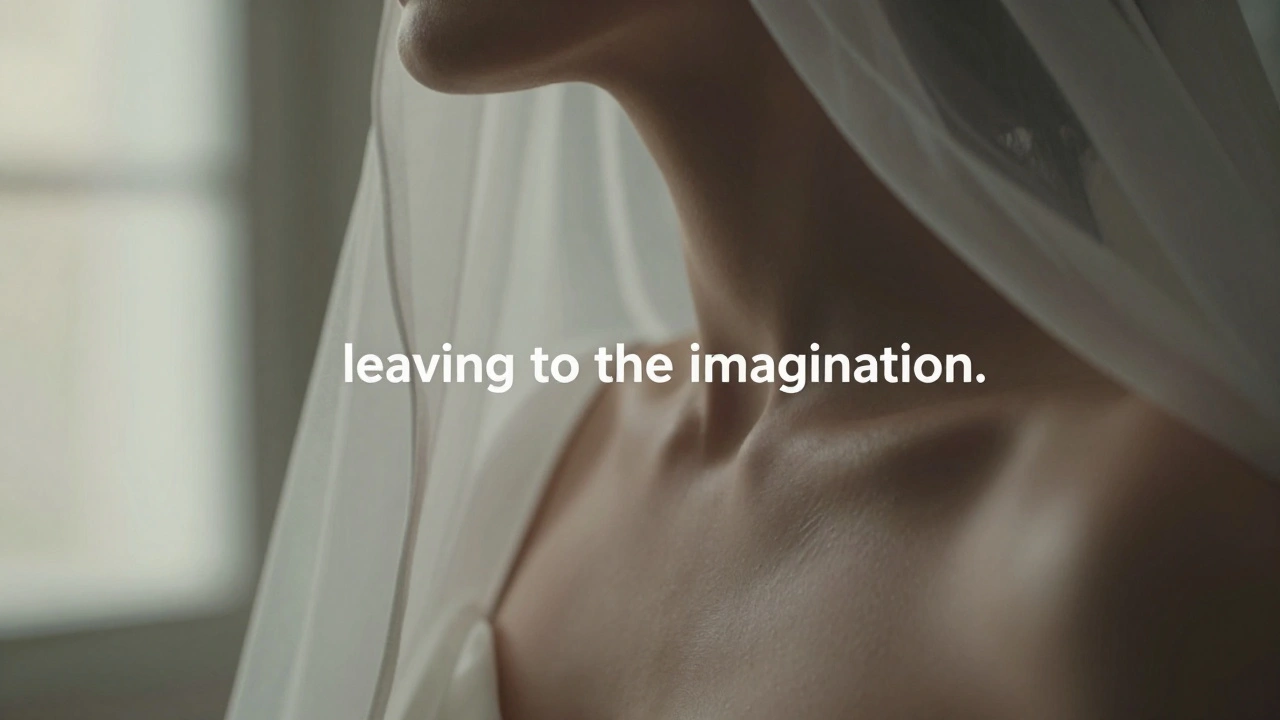
Creating a photo that feels truly intimate isn't about how much skin you show; it's about what you leave to the imagination. The real secret to a seductive image is the tension between what is seen and what is hidden. Whether you're shooting for a partner, a portfolio, or just to feel a surge of confidence, the goal is to capture a mood, not just a body.
Quick Takeaways for Seductive Imagery
- Lighting is everything: Soft, indirect light creates mystery; harsh light kills the mood.
- Focus on detail: A close-up of a collarbone or a hand on a hip can be more erotic than a full-body shot.
- Confidence is key: The best photos happen when the subject feels safe and empowered.
- Less is more: Use clothing and shadows to create curiosity.
A Comprehensive Guide to Crafting Erotic Photos
When we think of erotic photos is a form of photography focused on evoking sexual desire through the artistic depiction of the human body and intimacy, many people immediately think of professional studios and high-end equipment. But the truth is, some of the most electric images are captured in a bedroom with nothing more than a smartphone and a window. The magic happens in the atmosphere you build and the way you direct the eye.
Think of a seductive photo as a visual conversation. You aren't just documenting a person; you're telling a story about desire. If the photo tells the whole story in one second, there's no reason for the viewer to keep looking. By using angles, fabric, and light, you create a trail of breadcrumbs that leads the viewer's imagination to do the heavy lifting.
Why Sensual Photography Matters
Beyond the visual appeal, engaging in boudoir photography is a style of intimate portraiture that celebrates the subject's sensuality and confidence in a private setting can be a powerful tool for self-love. When you see yourself through a lens that emphasizes your beauty and power, it changes how you carry yourself in the real world.
For couples, this process can reignite a spark. Imagine the anticipation of sending a carefully crafted image to a partner before they get home from work. It builds a bridge of tension that makes the eventual physical meeting much more intense. It's not about the perfection of the image, but the intention behind it.
Different Styles of Intimate Imagery
Depending on what you're after, you can take several different directions. Some prefer the high-contrast, dramatic look of "film noir," while others want something soft and ethereal. Here are the most common approaches:
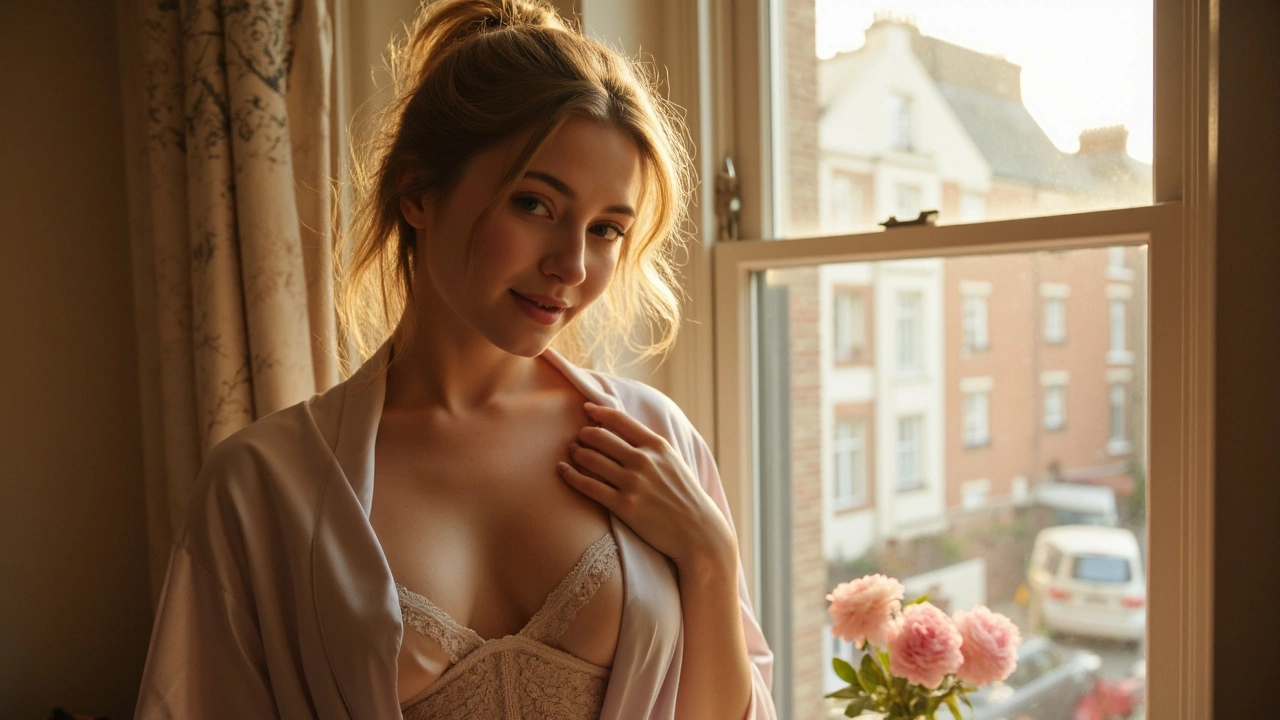
- Classic Boudoir: Usually involves lingerie, silk sheets, and a romantic bedroom setting. It's polished, elegant, and intentionally feminine or masculine.
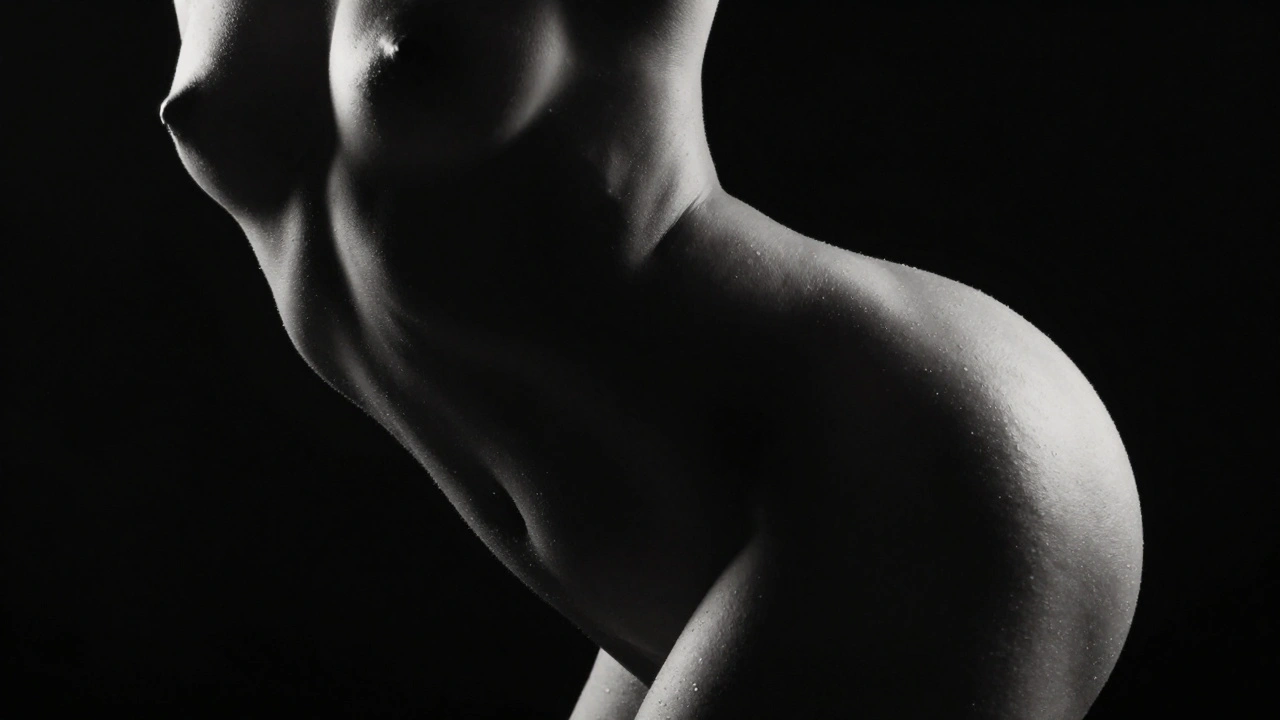
- Artistic Nude: Focuses on the geometry of the body. This style treats the human form like a landscape, using shadows to create abstract shapes.
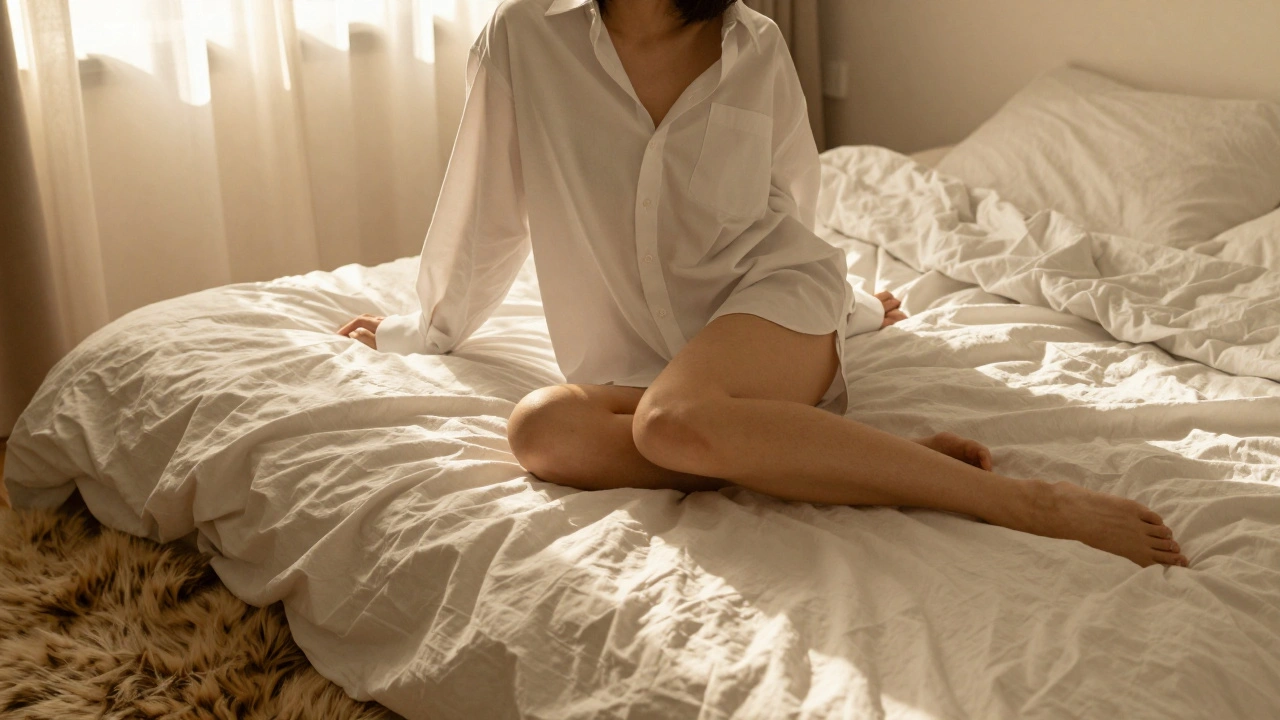
- Implied Nudity: The most seductive style for many. It uses a strategically placed towel, a loosely draped shirt, or a clever crop to suggest nudity without actually showing it.
- Candid Intimacy: Unposed, raw moments. Think of a messy bed, morning light, and a natural, uncurated look that feels authentic.
How to Master Lighting for Intimacy
If you get the lighting wrong, you can turn a sensual shot into something that looks like a passport photo. You want to avoid the overhead "big light" at all costs. Instead, look for soft lighting, which is light that is diffused to reduce harsh shadows and create a gentle glow on the skin.
The best free tool you have is a window. Side-lighting-where the light hits one side of the body and leaves the other in shadow-creates depth and dimension. If you're shooting at night, try using a bedside lamp with a warm bulb, or even a few candles. The flickering, warm orange glow of a candle mimics the feeling of a private, hidden space, which automatically makes the image feel more erotic.
Posing and Angles: The Art of the Curve
Posing is where most people get nervous, but it's actually just about creating lines. The human eye loves curves. Instead of standing flat toward the camera, try arching the back slightly or shifting the weight to one hip. This creates a "S-curve" that feels dynamic and fluid.
Experiment with high angles to create a feeling of vulnerability or sweetness, and low angles to project power and dominance. Don't forget the power of a "partial view." A photo of just the nape of the neck or a shoulder peaking through a curtain is often more provocative than a clear shot of the face. It invites the viewer to wonder what else is there.
| Feature | Boudoir Photography | Artistic Nude |
|---|---|---|
| Primary Focus | Romance and Seduction | Form and Composition |
| Common Wardrobe | Lingerie, Lace, Silk | None or minimal fabric |
| Lighting Style | Soft, warm, and glowy | High contrast, dramatic shadows |
| Vibe | Intimate and inviting | Sculptural and detached |
Setting the Scene: Props and Environment
Your surroundings act as the supporting cast in your photo. A sterile room makes for a sterile photo. You want textures that the viewer can almost "feel" through the screen. Think of velvet curtains, faux-fur rugs, or crisp white linen. These materials add a layer of luxury and tactile sensation to the image.
Mirrors are a fantastic tool for adding complexity. A shot of a reflection allows you to show two angles of the body at once and creates a sense of voyeurism, as if the viewer is catching a glimpse of something they aren't supposed to see. Just be careful with the camera's reflection-angle the device slightly to keep it out of the shot.
Safety and Digital Privacy
When you're creating intimate content, the most important part of the process isn't the lighting-it's the security. Once a photo is sent or uploaded, you lose control over where it goes. If you're shooting for personal use or a partner, consider these steps to protect yourself:
- Crop out identifying features: Remove faces, unique tattoos, or recognizable backgrounds (like a specific painting on your wall) if you're worried about privacy.
- Use secure platforms: Avoid sending sensitive images through apps that don't have end-to-end encryption.
- Check your metadata: Photos often contain EXIF data, which can include the exact GPS location of where the photo was taken. Use a metadata scrubber to remove this information.
- Set boundaries: If you're working with a photographer, have a clear agreement on where the photos will be stored and who has access to them.
How can I feel less awkward while posing?
The best way to kill awkwardness is to move. Instead of holding a static pose, try slow, fluid movements. Breathe deeply and exhale through your mouth to relax your facial muscles. Putting on some music that makes you feel confident also helps shift your headspace from "being watched" to "feeling yourself."
What is the best camera for erotic photos?
You don't need a professional DSLR. Modern smartphones have incredible low-light capabilities. The key is using a tripod or leaning your phone against a book and using the timer function. This allows you to move freely without having to struggle with a "selfie" angle.
Should I use filters or edit my photos?
A bit of editing can enhance the mood. Lowering the highlights and increasing the shadows often adds that "mystery" we talked about. However, avoid over-smoothing the skin. Real textures-like a stray hair or a natural curve-make the photo feel human and authentic, which is far more seductive than a plastic, overly-filtered look.
How do I handle lighting if I don't have a window?
Try "rim lighting." Place a lamp behind you so the light outlines your silhouette. This creates a glowing edge around your body while keeping the front in shadow, which is a classic technique for creating a sensual, mysterious vibe.
What are some easy props for beginners?
Start with things you already have. An oversized white button-down shirt, a sheer curtain, or even a piece of fruit. The goal is to use the prop to frame the body or hide certain parts to create that "implied" look.
Next Steps for Your Creative Journey
If you're feeling inspired, start with a "low-stakes" session. Try taking a few photos of just your hands or your silhouette against a bright window. Once you get comfortable with how light interacts with your skin, move on to experimenting with fabrics and poses. The more you play with the camera, the more you'll discover what makes you feel most powerful and desired. Ready to capture some magic? Grab your favorite outfit and start experimenting.
Marc Houge
April 5, 2026 AT 00:40This is a great way to look at it. Just gotta remember that the vibe is more important than the gear!
Brice Maiurro
April 6, 2026 AT 10:17Omggg literally so true about the "big light"!! Nothing ruins a mood faster than a fluorescent ceiling panel lol. Pro tip: if you're really desperate, a cheap sheer curtain over a window is basically a professional softbox for like five bucks!! It's legit a game changer for skin texture!!
antonio montana
April 8, 2026 AT 04:49The part about self-love is so important... it really is about the feeling inside!!!
Hamza Shahid
April 10, 2026 AT 02:45I honestly find this whole "art of seduction" angle incredibly pretentious. It's just taking pictures in a bedroom, not some deep psychological journey. Most people just want to look hot, and pretending it's about "visual conversations" is just a fancy way of overcomplicating a selfie.
jeremy noble
April 10, 2026 AT 09:16I totally get where you're coming from but try to see it as a form of visual storytelling... the bokeh and the depth of field can really amplify the emmotive quality of the shot. It's all about that cinematic flow and findin the right focal point to guide the eye. Just keep practicing the composition and you'll nail it!
Parul Singh
April 10, 2026 AT 12:42The grammar in the table is barely acceptable and the formatting is a mess 🙄 and also why are we discussing this when Indian art has been mastering the form and grace of the human body for thousands of years in sculptures and paintings far better than any smartphone ever could 🇮🇳🔥
Rachel Glum
April 10, 2026 AT 16:29We need to emphasize that empowerment comes from the boundary setting mentioned at the end. When you control the narrative and the distribution of your images, you aren't just creating art, you're reclaiming your autonomy over your own desire. It is a philosophical shift from being the object of the gaze to being the architect of it. This kind of intentionality is what transforms a simple photo into a statement of power and self-worth that resonates far beyond the digital screen.
Kate Cohen
April 10, 2026 AT 22:31Omg I totally agree with the part about mirrors because it's like you are seeing yourself through someone else's eyes which is basically what love is all about in a way and it's so American to just be bold and sexy with your body because we believe in freedom and beauty and the pursuit of happiness 🇺🇸✨💖
Jumoke Enato
April 11, 2026 AT 12:09the lack of punctuation in some of these replies is absolutely appalling and it honestly makes the entire discourse feel stunted because you cannot have a meaningful conversation about aesthetics when people cannot even master the basic rules of the english language which is a global standard for a reason and i find it insulting that we are just glossing over the linguistic decay here while praising the art of the curve