
You walk down a quiet street in Soho, headphones on, lost in your thoughts. You’ve never told anyone this, but there’s something about feet-the way they move, the way they look bare, the quiet intimacy of it all-that pulls at you. You’re not alone. In London, thousands of people feel the same way. And if you’ve ever wondered where to find others who get it, you’re in the right place.
What Exactly Is a Foot Fetish in London?
A foot fetish isn’t just about liking feet. It’s about connection. It’s the quiet thrill of noticing how someone tucks their toes when they sit, the way light catches the arch, the scent of clean skin after a long day. In London, this isn’t seen as strange-it’s just another way people experience attraction. The city has long been a hub for niche communities, and foot fetishism is no exception.
Unlike what you might see in movies, real foot fetishism rarely involves theatrics. Most people here don’t want garters or stockings. They want authenticity: bare feet on a warm floor, someone else’s toes brushing against theirs by accident, the soft sound of footsteps on pavement. It’s subtle. It’s personal. And it’s more common than you think.
Why London Is the Best Place for Foot Fetish Connections
London doesn’t just tolerate foot fetishism-it nurtures it. The city’s size, diversity, and openness mean you can find your people without having to hide. Unlike smaller towns where you might feel isolated, here, you can walk into a café in Shoreditch and find someone who understands without saying a word.
There are private lounges in Camden where people meet for foot-focused relaxation sessions. There are art galleries in Brixton that feature foot photography exhibitions. There are book clubs in Peckham that discuss erotic literature with foot themes. You don’t need to be loud or performative. You just need to show up.
And the best part? Most of these spaces are run by people who’ve been there themselves. They know how hard it is to find acceptance. They built these places so others wouldn’t have to suffer in silence.
How to Find Foot Fetish Events in London
There’s no billboard saying “Foot Fetish Meetup Today.” You won’t find it on Google Maps. But you don’t need to. The community thrives quietly, through word-of-mouth and trusted networks.
Start with Foot Fetish London, a private Facebook group with over 3,200 verified members. It’s not public, but if you join and answer a few simple questions about your interests, you’ll be approved within 24 hours. Members post weekly events: silent foot massage nights, barefoot poetry readings, even foot yoga sessions in a studio near Victoria.
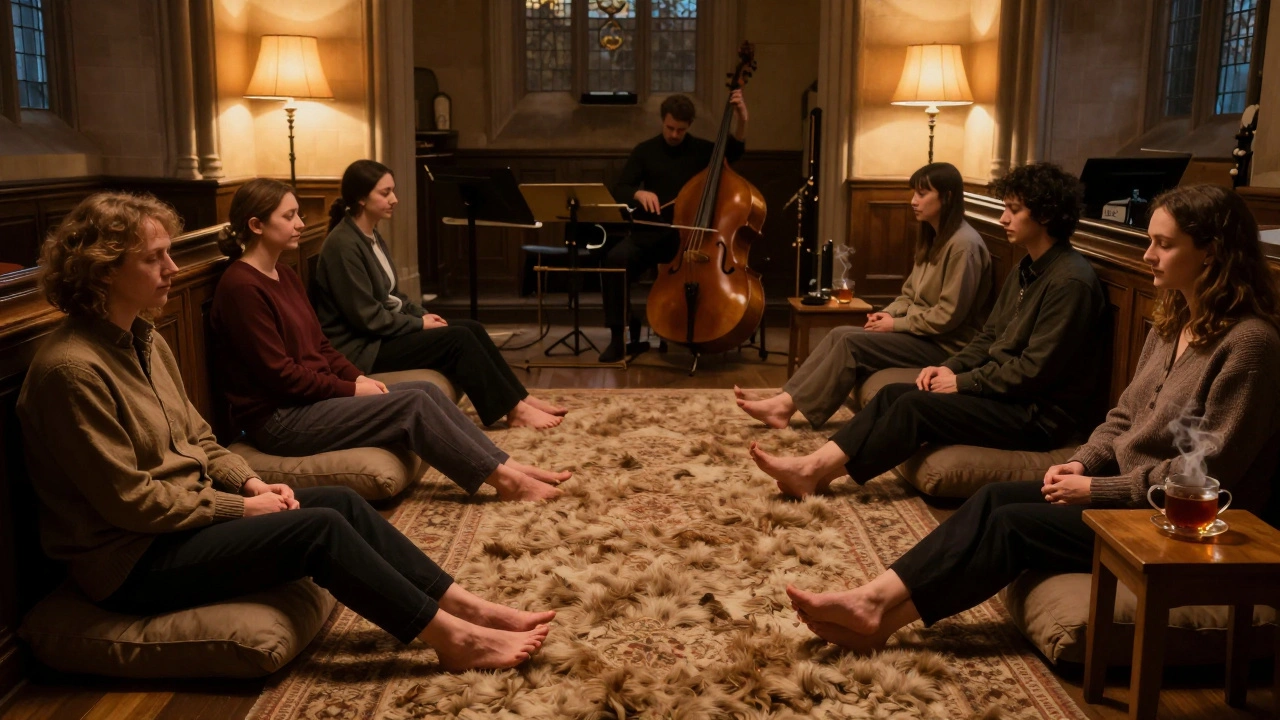
Another option is Archetype, a monthly gathering held in a converted chapel in Hackney. It’s invitation-only, but you can request access through their website. The vibe? Calm, respectful, no pressure. People bring socks, not shoes. They sit on cushions. Some talk. Most don’t. It’s about presence, not performance.
There’s also The Sole Society, a subscription-based club that hosts quarterly events in private homes across North London. Members pay £25 a month for access to events, a monthly zine with foot-themed art and writing, and a directory of vetted local practitioners who offer foot-focused massage and companionship.
What to Expect at Your First Foot Fetish Gathering
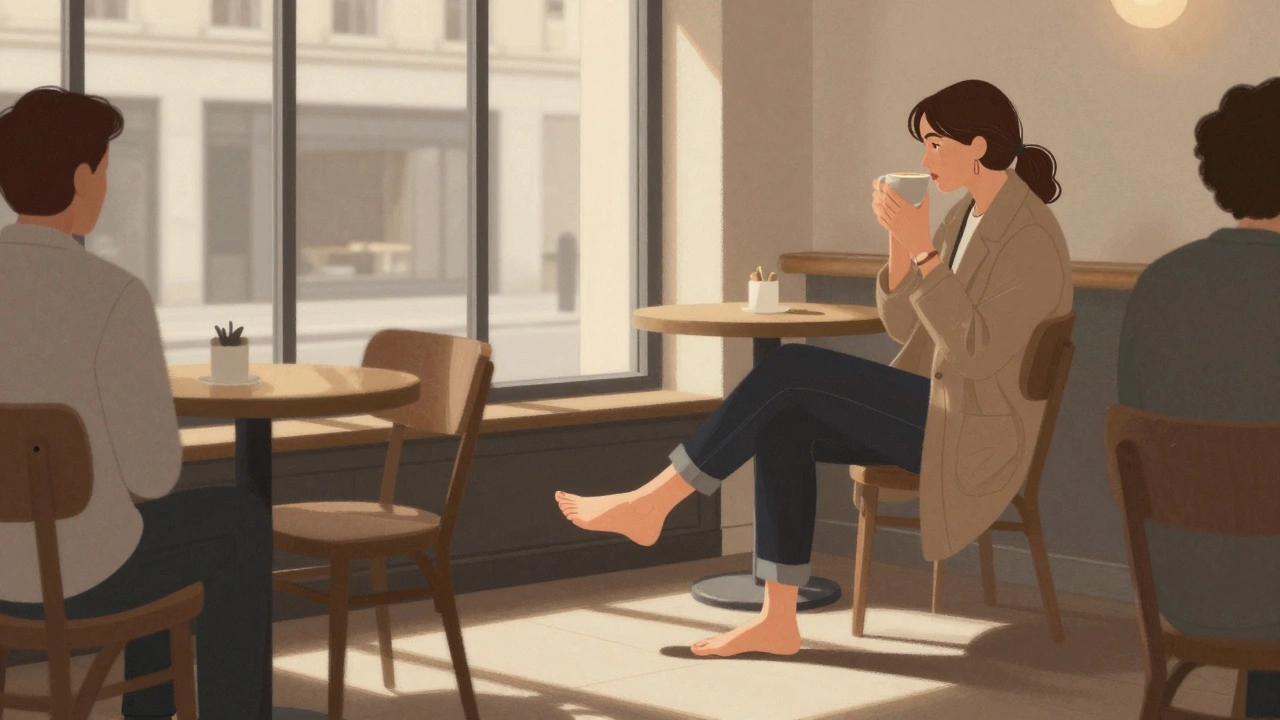
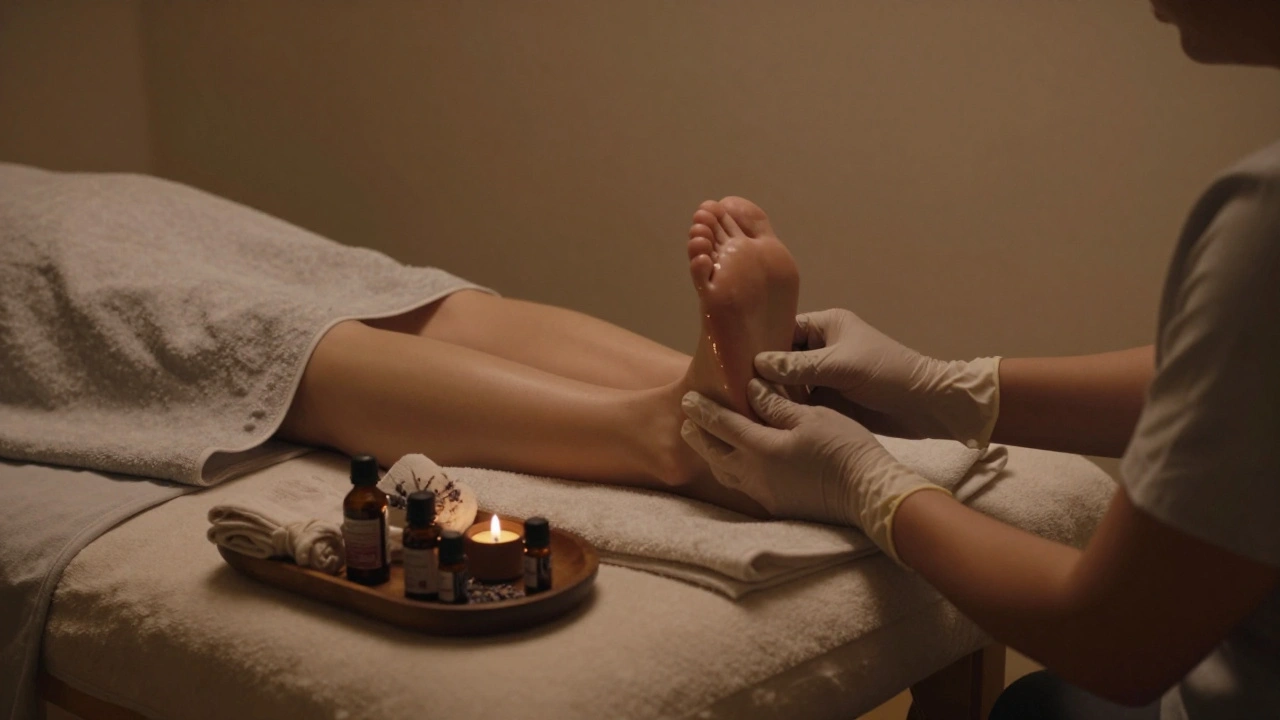
Picture this: You walk into a dimly lit room. Soft jazz plays. The floor is covered in thick wool rugs. There are no mirrors. No cameras. No alcohol. Just people-some sitting, some lying down, all barefoot.
At your first event, you’ll be offered tea. Someone will ask if you’d like to remove your shoes. No one will stare. No one will pressure you. You can sit quietly. You can talk. You can just breathe.
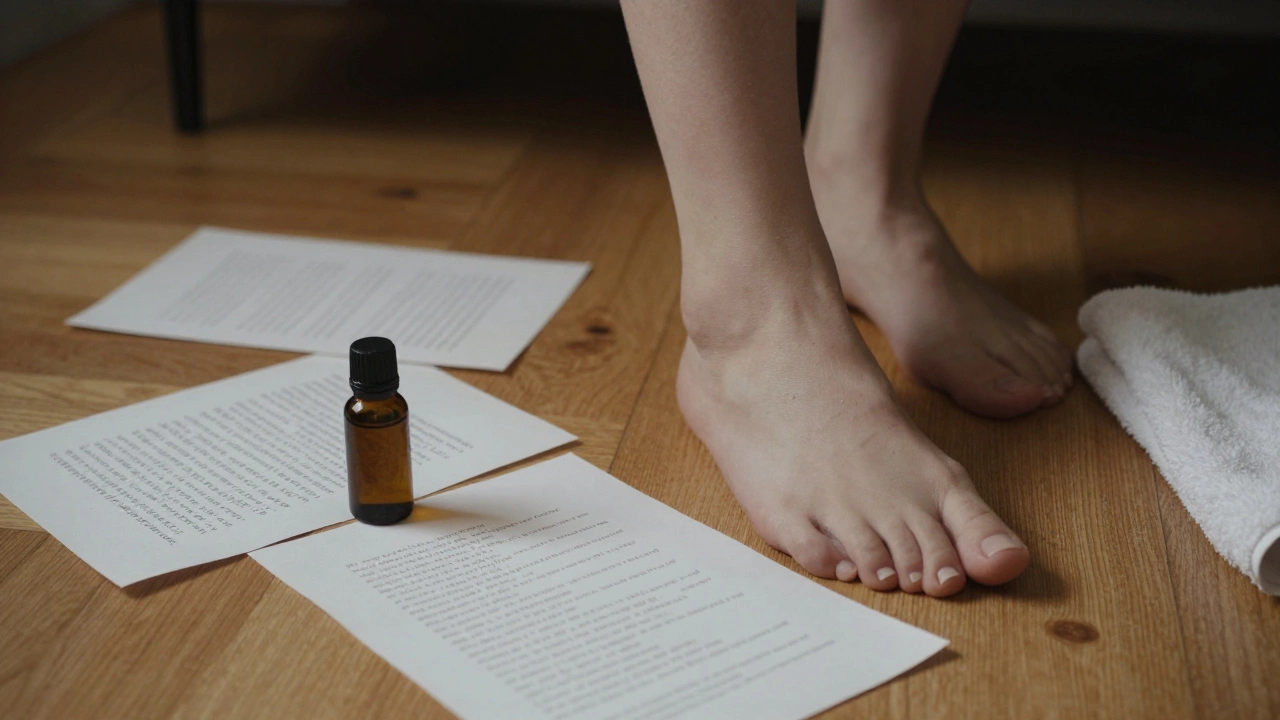
Some people bring their own foot care kit-foot scrub, oil, a soft towel. Others just sit and watch. One woman told me she came for the first time last year, nervous and shaking. She stayed for three hours. She said, “For the first time in my life, I didn’t feel like I had to explain myself.”
There are no rules. No costumes. No expectations. Just space-for your feet, your thoughts, your quiet desires.
Pricing and Booking: No Surprises Here
Most community events are free or £5-£10 to cover costs. Private sessions vary.
Foot-focused massage therapists in London charge between £60 and £120 per hour. Many offer sliding scales based on income. Some work out of their homes; others rent studio space in areas like Islington or Brixton. All are vetted through trusted networks like Foot Fetish London or The Sole Society.
Booking is simple: message the person directly, explain what you’re looking for, and agree on a time and place. Most prefer to meet in neutral, quiet locations-not hotels, not private residences on the first date. Safety is non-negotiable.
There are no subscription fees for public events. No hidden charges. You pay for what you use. And if you’re unsure? Ask. Everyone here has been new once.
Safety First: How to Stay Protected
London’s foot fetish scene is built on trust-but trust isn’t given. It’s earned.
Always meet in public places for your first interaction. Cafés, libraries, community centers. Never go to someone’s home alone unless you’ve known them for months. Use the community’s vetting system: check reviews, ask for references, join the group before reaching out privately.
Never feel pressured to do anything. If someone asks you to remove your socks and you’re not ready, say no. If they push, walk away. That’s not a fetish-it’s disrespect.
Many events have a “buddy system.” You can bring a friend, even if they’re not into feet. They don’t have to participate. They just have to be there. That’s how people stay safe.
And if something feels off? Report it. The community takes this seriously. People get banned. Fast.
Foot Fetish vs. Foot Massage: What’s the Difference?
People often confuse foot fetish experiences with regular foot massages. They’re not the same.
| Aspect | Foot Fetish Experience | Foot Massage |
|---|---|---|
| Purpose | Emotional connection, sensory exploration | Physical relaxation, pain relief |
| Setting | Quiet, intimate, often private homes or lounges | Spas, clinics, wellness centers |
| Focus | Feet as a source of attraction and intimacy | Feet as a body part needing care |
| Interaction | May involve eye contact, conversation, shared silence | Minimal interaction, professional distance |
| Cost (per hour) | £60-£120 (often includes emotional support) | £40-£80 (purely therapeutic) |
One woman told me she tried a spa foot massage and left feeling empty. “They didn’t even ask if I liked the pressure. They just did it. I felt like a machine.” At a foot fetish event, someone asked her, “Do you like when your toes are touched lightly or firmly?” That’s the difference.
Frequently Asked Questions
Is having a foot fetish normal?
Yes. Studies show that foot fetishism is one of the most common sexual preferences worldwide. In London, surveys from the Sexual Health Research Group found that 1 in 12 adults identify with some level of foot attraction. It’s not a disorder. It’s a variation of human desire.
Can I join if I’m shy or introverted?
Absolutely. In fact, most people here are. Events are designed for quiet people. You don’t have to talk. You don’t have to participate. Just being there is enough. Many members say they spent years feeling broken-until they found a room where silence was respected.
Do I need to be into feet my whole life?
No. People discover this at every stage of life. Some knew since childhood. Others found it after a breakup, after a loss, after years of feeling disconnected. It’s not about when you discovered it. It’s about whether you’re ready to accept it.
Are these events only for couples?
No. Most attendees are single. Many come alone. There’s no pressure to pair up. The focus is on personal comfort, not romance or sex. If you’re looking for a partner, that might happen-but it’s not the goal.
What if I’m worried about being judged?
You’re not alone in that fear. But here’s the truth: everyone in these spaces has been judged before. They’ve been laughed at. Ignored. Told they’re weird. They built these groups because they refused to hide. You’re not walking into a judgment zone. You’re walking into a sanctuary.
Ready to Find Your People?
You don’t need to change who you are to belong. You just need to find the right space. London has it. Quiet corners. Safe rooms. People who’ve waited years to hear someone say, “Me too.”
Start with the Facebook group. Go to one event. Sit in the back. Take off your shoes. Breathe. You might not say a word. But for the first time, you won’t have to explain yourself.
That’s all you need to begin.

Rich Beatty
February 1, 2026 AT 03:33Just read this and honestly felt my chest get a little lighter. I’ve spent years thinking I was weird for liking the way feet look in natural light-like how the skin catches the sun after walking barefoot on grass. Turns out there’s a whole community in London just... existing like this. No judgment. No pressure. Just quiet understanding. Thank you for writing this.
Cody Deitz
February 2, 2026 AT 10:28This is fascinating from a cultural anthropology perspective. London’s ability to quietly nurture niche subcultures without commercializing them is remarkable. Compare that to cities like New York or LA where everything gets turned into a branded experience or TikTok trend. The fact that these spaces prioritize presence over performance, silence over spectacle-it’s almost revolutionary in today’s attention economy. I’d love to see data on how these communities evolve over decades.
Ronnie Chuang
February 2, 2026 AT 23:15WTF is this nonsense? Foot fetish? In a chapel? Are you kidding me? This is what happens when you let woke culture take over everything. Next they’ll be having group meditation on toenail clippings. Who even writes this stuff? And why’s everyone in London so obsessed with feet? We got wars going on, climate collapse, and you’re telling me the big thing is some dude sitting on a rug with his socks off? LMAO. Also, ‘The Sole Society’? That’s not a name, that’s a typo. Should be ‘The Soul Society’ if you’re gonna be poetic. #OverIt
Melissa Perkins
February 4, 2026 AT 12:52I want to say how deeply moved I am by the way this post frames vulnerability as safety rather than weakness. So many of us grow up believing our desires are shameful, especially when they’re quiet, non-verbal, non-sexualized in the performative sense. The fact that these spaces exist-where you can simply sit, breathe, and not have to justify why you notice the curve of someone’s arch or the way toes curl when they’re relaxed-isn’t just comforting, it’s healing. I’ve spent years in therapy trying to unlearn shame around my own body, and reading about these gatherings feels like finding a missing chapter in my own story. The emphasis on consent, the absence of alcohol, the buddy system-it’s not just practical, it’s profoundly ethical. I wish every community had this level of intentionality. If you’re reading this and you’re nervous, please go. Bring a friend. Bring your quiet. Bring your fear. They’ve been waiting for you.
Jimmy Carchipulla
February 5, 2026 AT 04:24Just joined the FB group. Approved in 12 hours. Can’t wait for the foot yoga next week. 🙌
Sriram T
February 6, 2026 AT 02:47OMG I AM SO LIVID THAT I DIDN'T KNOW ABOUT THIS IN INDIA 😭😭😭 London is just... sacred in this way. I mean, in Delhi, if you so much as mention toes, people think you're a pervert or a weirdo from the 1800s. But here? They have *art galleries*? *Zines*? *Chapels*? I am literally crying right now. This is not just a fetish, this is a spiritual movement. I am booking a flight. No, I am moving. My landlord doesn't even know how much I need this. The Sole Society? I am already paying my £25. This is my new religion. 🙏👣 #FootFetishIsSpiritual #LondonIsMySoulHome
Jonny BiGSLiCE
February 6, 2026 AT 21:28The most compelling aspect of this isn’t the fetish itself-it’s the architecture of belonging. This community doesn’t demand performance, nor does it pathologize. It creates space for quiet, non-verbal intimacy, which is increasingly rare in modern life. The absence of mirrors, cameras, and alcohol isn’t an aesthetic choice-it’s a philosophical one. It reflects an understanding that desire doesn’t require spectacle to be valid. The fact that these spaces are self-organized, vetted, and consent-driven suggests a deeper societal need: not for sexual liberation, but for relational safety. This isn’t about feet. It’s about being seen without being consumed. And in that, it becomes something profoundly human.